
Civil Engineering
Design, build, and maintain the infrastructure that shapes our world
Explore This ProgramProgram Overview
The Civil Engineering program at Azady University prepares students to become skilled engineers who design, construct, and maintain the infrastructure that supports modern society. From buildings and bridges to roads, dams, and water systems, our program covers the full spectrum of civil engineering practice.
Students gain expertise in structural analysis, geotechnical engineering, transportation systems, water resources, and construction management. Graduates emerge as essential professionals who shape the built environment and improve quality of life through sustainable and innovative engineering solutions.
Admission Requirements
What you need to join this program
Academic Qualification
High school diploma or equivalent with a strong background in mathematics, physics, and chemistry. Minimum GPA of 70%.
Prerequisite Subjects
Proficiency in mathematics, physics, and basic sciences. An interest in design, construction, and infrastructure is recommended.
Application Documents
Submit official transcripts, two recommendation letters, a personal statement, and a copy of your ID.
Language Proficiency
English proficiency is required. TOEFL (iBT 70) or IELTS (5.5) scores accepted, or successful completion of our foundation program.
Civil Engineering Tools & Technologies
Master the tools used in civil engineering practice
CAD & Design Software
AutoCAD, Revit, Civil 3D, and other design tools for creating detailed engineering drawings, models, and construction plans.
Structural Analysis Software
STAAD Pro, SAP2000, ETABS, and other structural analysis tools for designing and analyzing buildings, bridges, and structural systems.
GIS & Surveying Equipment
Geographic Information Systems, total stations, GPS units, and surveying tools for land measurement and infrastructure mapping.
Geotechnical Testing Equipment
Soil testing equipment, core samplers, and geotechnical instruments for analyzing soil properties and foundation design.
Hydraulic & Water Resources Tools
Hydraulic modeling software, flow meters, and water quality testing equipment for water resources engineering projects.
Construction Management Software
Project management software, scheduling tools, and cost estimation platforms for construction planning and control.
Advanced Civil Engineering Technologies
State-of-the-art technology for modern engineering practice
Building Information Modeling (BIM)
Integrated digital modeling for design, construction, and facility management, enabling efficient collaboration and project coordination.
Drone & Remote Sensing Technology
UAVs, LiDAR, and aerial imaging for site surveying, infrastructure inspection, and construction progress monitoring.
3D Printing & Prefabrication
Additive manufacturing for architectural models, structural components, and rapid prototyping in construction and design.
Smart Infrastructure & IoT
Sensor networks, structural health monitoring, and smart city technologies for real-time infrastructure performance assessment.
Digital Twin Technology
Virtual replicas of physical infrastructure for simulation, analysis, and predictive maintenance in civil engineering projects.
Sustainable & Green Technologies
Eco-friendly construction materials, energy-efficient design, and sustainable infrastructure solutions for environmental responsibility.
Civil Engineering Specialties & Practice Areas
In-depth exploration of specialized engineering fields
Structural Engineering
Design and analysis of buildings, bridges, towers, and other structures to ensure safety, stability, and durability against various loads and forces.
Geotechnical Engineering
Study of soil, rock, and groundwater behavior for foundation design, slope stability, retaining structures, and underground construction.
Transportation Engineering
Design and management of transportation systems, including highways, railways, airports, and urban transit networks for safe and efficient mobility.
Water Resources Engineering
Management of water resources including dams, reservoirs, water supply systems, flood control, and wastewater treatment.
Construction Management
Planning, coordination, and control of construction projects, including scheduling, cost estimation, quality control, and risk management.
Environmental Engineering
Design and implementation of solutions for environmental protection, pollution control, waste management, and sustainable infrastructure.
Skills Competency Checklist
The practical skills you will master in this program
Engineering Design & Drafting
Create detailed engineering drawings, models, and specifications using CAD and BIM software for infrastructure projects.
Structural Analysis & Design
Analyze structural systems, calculate loads and stresses, and design safe, efficient structures using engineering principles.
Geotechnical & Foundation Design
Investigate soil conditions, design foundations, and evaluate slope stability for safe construction and infrastructure development.
Transportation & Infrastructure Planning
Plan and design transportation systems, analyze traffic flow, and develop sustainable mobility solutions for urban and rural areas.
Water Resources & Environmental Management
Design water supply systems, manage stormwater, and develop environmental solutions for sustainable water use and protection.
Project & Construction Management
Plan, schedule, budget, and manage construction projects, ensuring quality, safety, and timely completion.
Field Investigation & Site Assessment
Conduct site visits, perform soil and material testing, and assess site conditions for engineering design and construction.
Professional Ethics & Sustainability
Apply ethical principles and sustainable design practices in civil engineering projects for environmental and social responsibility.
Specializations & Tracks
Focus your studies in the area that interests you most
Structural Engineering
Focus on the design and analysis of buildings, bridges, and other structures, ensuring safety and resilience against various loads.
Geotechnical Engineering
Specialize in soil mechanics, foundation engineering, and underground construction for infrastructure and building projects.
Transportation Engineering
Focus on highway design, traffic engineering, urban planning, and transportation systems management.
Water Resources & Environmental Engineering
Specialize in water supply, flood control, wastewater treatment, and environmental sustainability.
Construction Engineering & Management
Focus on project planning, cost estimation, scheduling, and construction management for infrastructure development.
Curriculum Breakdown
Your journey through the Civil Engineering program, year by year
Foundation Year
- Calculus I & II
- Physics I & II
- Chemistry for Engineers
- Introduction to Civil Engineering
- Engineering Drawing & Graphics
- Computer Applications in Engineering
Core Engineering
- Statics & Dynamics
- Mechanics of Materials
- Fluid Mechanics
- Surveying & Geomatics
- Engineering Geology
- Structural Analysis I
Advanced Topics
- Structural Analysis II
- Geotechnical Engineering
- Transportation Engineering
- Hydrology & Water Resources
- Reinforced Concrete Design
- Steel Structure Design
Specializations & Capstone
- Specialization Elective I
- Specialization Elective II
- Construction Management
- Capstone Design Project
- Professional Practice & Ethics
- Senior Seminar & Research
Curriculum Highlights
What you’ll learn in this program
Introduction to Civil Engineering
Learn the foundations of civil engineering, including professional standards, ethics, and the role of civil engineers in shaping the built environment.
Structural Analysis & Design
Study structural mechanics, load analysis, and design of steel, concrete, and timber structures for building and infrastructure projects.
Geotechnical Engineering
Understand soil mechanics, foundation design, and earth retaining structures for safe and stable construction.
Transportation & Highway Engineering
Design transportation systems, highways, and traffic management solutions for efficient and safe mobility.
Water Resources & Environmental Engineering
Study hydrology, water supply systems, flood control, and environmental protection for sustainable infrastructure.
Construction Management & Project Planning
Learn project management, scheduling, cost estimation, and quality control for successful civil engineering projects.
Industry Certifications
Earn credentials that enhance your employability
Professional Engineer (PE) Licensure
Preparation for professional engineering licensure, validating your skills and knowledge as a qualified civil engineer.
LEED Green Associate
Certification in sustainable design and green building practices, demonstrating expertise in environmental responsibility.
Project Management Professional (PMP)
Advanced certification in project management, covering leadership, planning, and execution of engineering projects.
GIS Certification
Certification in Geographic Information Systems, demonstrating expertise in spatial analysis and infrastructure mapping.
Transportation Engineering Certification
Specialized certification in transportation engineering, covering highway design, traffic management, and urban planning.
Career Opportunities
Where this program can take you
Structural Engineer
Design and analyze buildings, bridges, and other structures, ensuring safety, stability, and durability.
Geotechnical Engineer
Investigate soil and rock conditions, design foundations, and ensure stability for construction projects.
Transportation Engineer
Plan and design transportation systems, highways, and urban transit networks for safe and efficient mobility.
Water Resources Engineer
Design and manage water supply, flood control, and wastewater systems for sustainable water management.
Construction Manager
Plan, coordinate, and manage construction projects, ensuring quality, safety, and timely completion.
Environmental Engineer
Design solutions for environmental protection, pollution control, and sustainable infrastructure development.
Internship Sites & Partner Institutions
Where you’ll gain hands-on practical experience
Engineering & Design Firms
Internships with structural, geotechnical, and transportation engineering firms for design and analysis experience.
Construction & Development Companies
Gain experience on construction sites, project management, and hands-on construction operations.
Government & Public Works Departments
Work with government agencies on infrastructure planning, public works, and community development projects.
Water & Environmental Agencies
Experience in water resource management, environmental protection, and sustainability organizations.
Urban & Regional Planning Agencies
Participate in urban planning, land use, and infrastructure development projects with planning organizations.
Civil Engineering Labs & Facilities
Hands-on training in state-of-the-art engineering environments
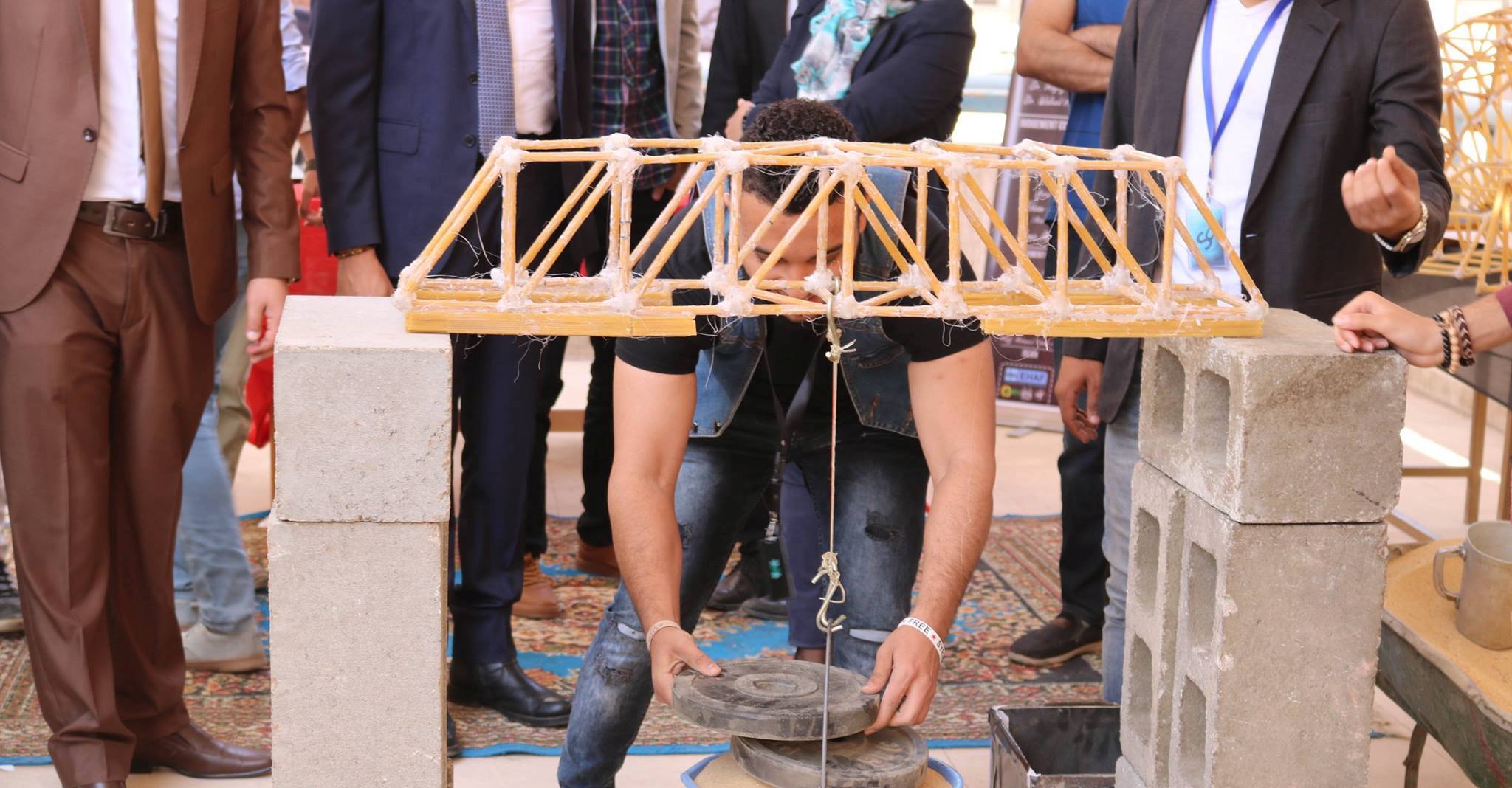
Structural Engineering Lab
State-of-the-art lab for structural testing, material analysis, and load testing of structural components and systems.
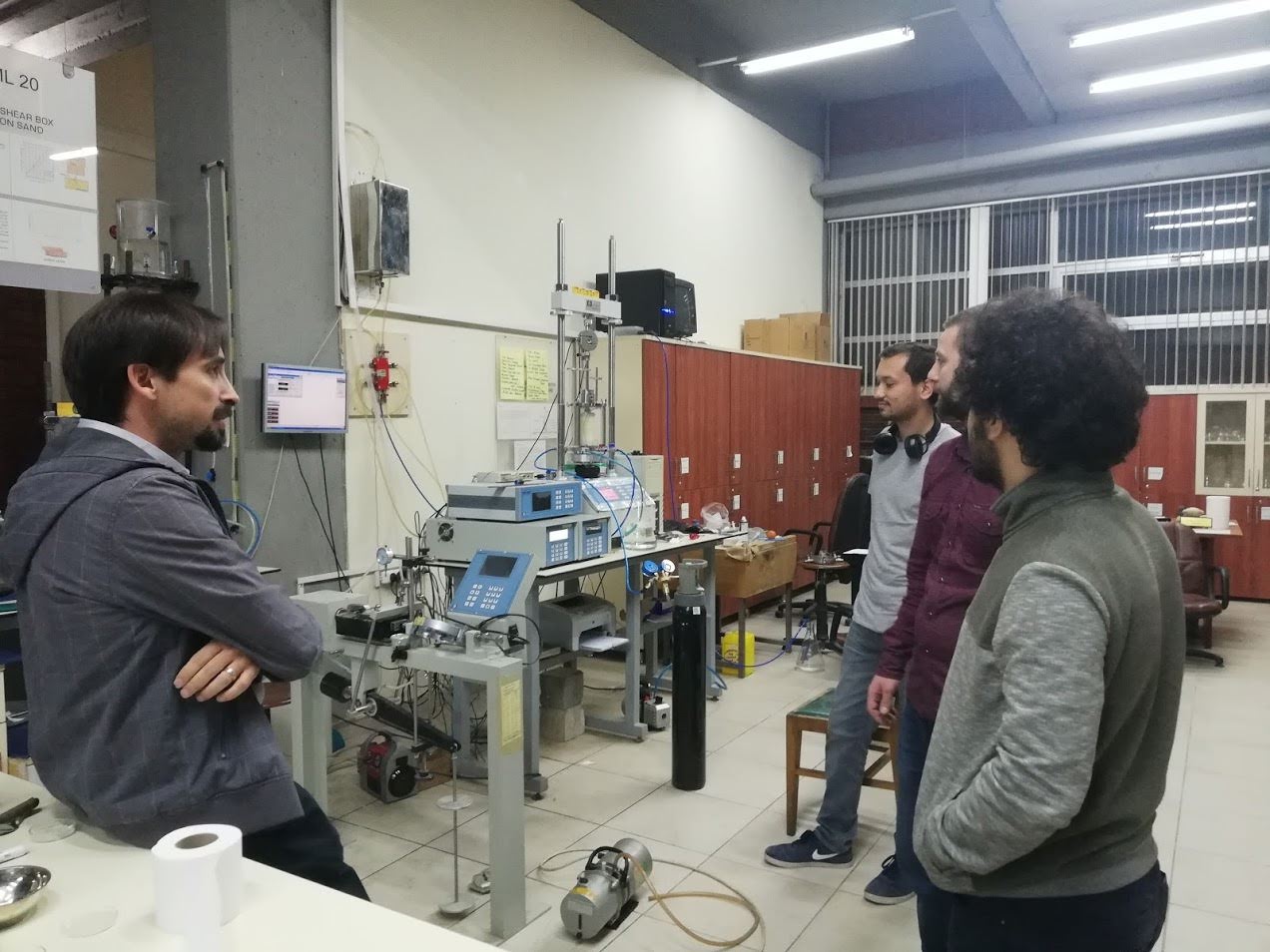
Geotechnical & Soil Mechanics Lab
Dedicated lab for soil testing, foundation analysis, and geotechnical investigations using advanced equipment.
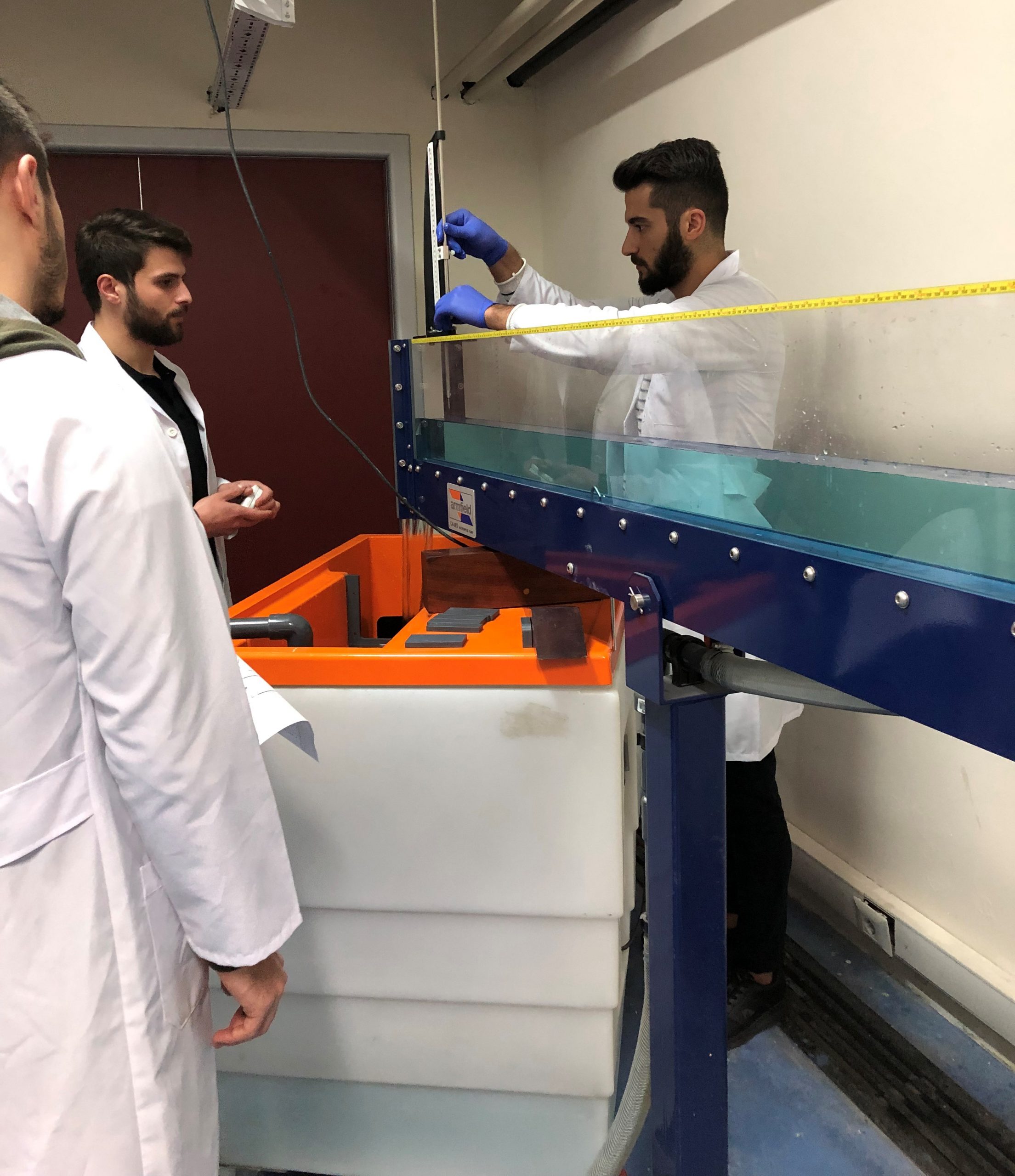
Hydraulics & Water Resources Lab
Facility for hydraulic modeling, water quality testing, and water resources engineering experiments.
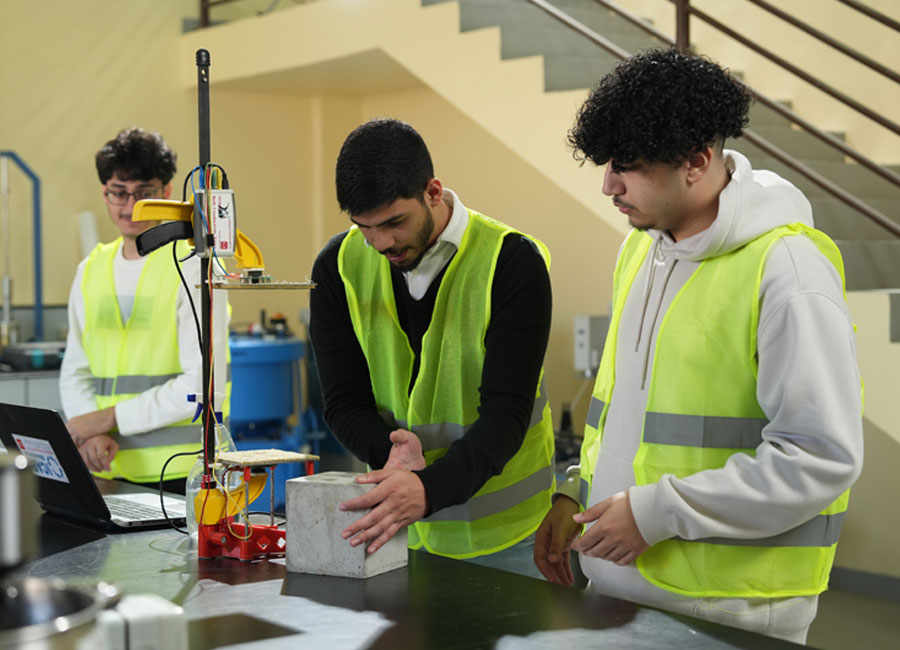
Construction Materials Testing Lab
Lab for testing concrete, steel, asphalt, and other construction materials for quality assurance and specification compliance.
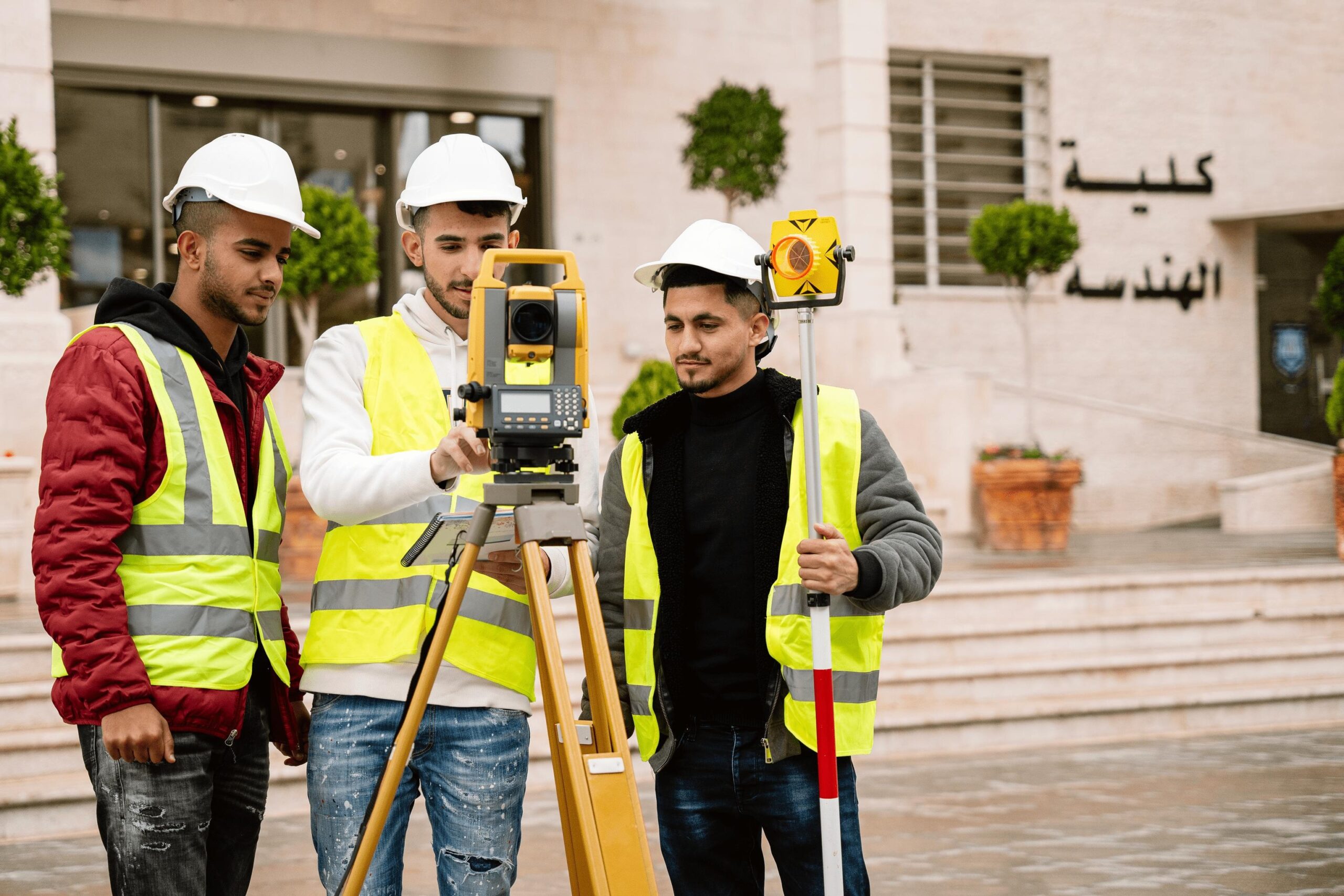
Surveying & GIS Lab
Facility with surveying equipment, GIS software, and mapping tools for land measurement and spatial analysis.
Sustainable & Green Engineering Focus
Building a more sustainable future through responsible engineering
Green Building Design
Design energy-efficient buildings using sustainable materials, passive design strategies, and renewable energy integration for reduced environmental impact.
Sustainable Construction Materials
Explore eco-friendly materials including recycled aggregates, sustainable concrete, bamboo, and low-carbon alternatives for construction.
Energy-Efficient Infrastructure
Design infrastructure systems that minimize energy consumption, integrate renewable energy, and reduce carbon footprint across the lifecycle.
LEED & Green Building Certification
Prepare for LEED Green Associate certification and apply sustainable design principles to achieve green building certification standards.
Sustainable Water Management
Design water-efficient systems, implement rainwater harvesting, and develop sustainable stormwater management solutions for infrastructure projects.
Environmental Impact Assessment
Conduct environmental impact assessments, analyze project sustainability, and develop mitigation strategies for environmentally responsible engineering.
Safety & Professional Practice
Ensuring the highest standards of safety and ethics
Construction Safety & Risk Management
Implement safety protocols, assess construction risks, and ensure a safe environment for workers and the public.
Quality Assurance & Control
Implement quality assurance programs, conduct inspections, and ensure compliance with engineering standards.
Engineering Ethics & Professional Standards
Uphold professional standards, ethical principles, and legal responsibilities in engineering practice.
Regulatory Compliance & Codes
Understand building codes, regulations, and compliance requirements for safe and legal construction projects.
Interprofessional Collaboration
Collaborate effectively with architects, contractors, and other professionals for coordinated project delivery.
Sustainability & Environmental Responsibility
Apply sustainable design principles and environmental responsibility in civil engineering projects.
Why Choose This Program?
- Hands-on training in state-of-the-art labs with industry-standard equipment and software
- Experienced faculty with extensive engineering practice and research experience
- Preparation for PE licensure and other professional certifications
- Internship placements with leading engineering firms, construction companies, and government agencies
- Strong emphasis on safety, sustainability, and professional ethics
- High demand for civil engineers with diverse career opportunities and competitive salaries
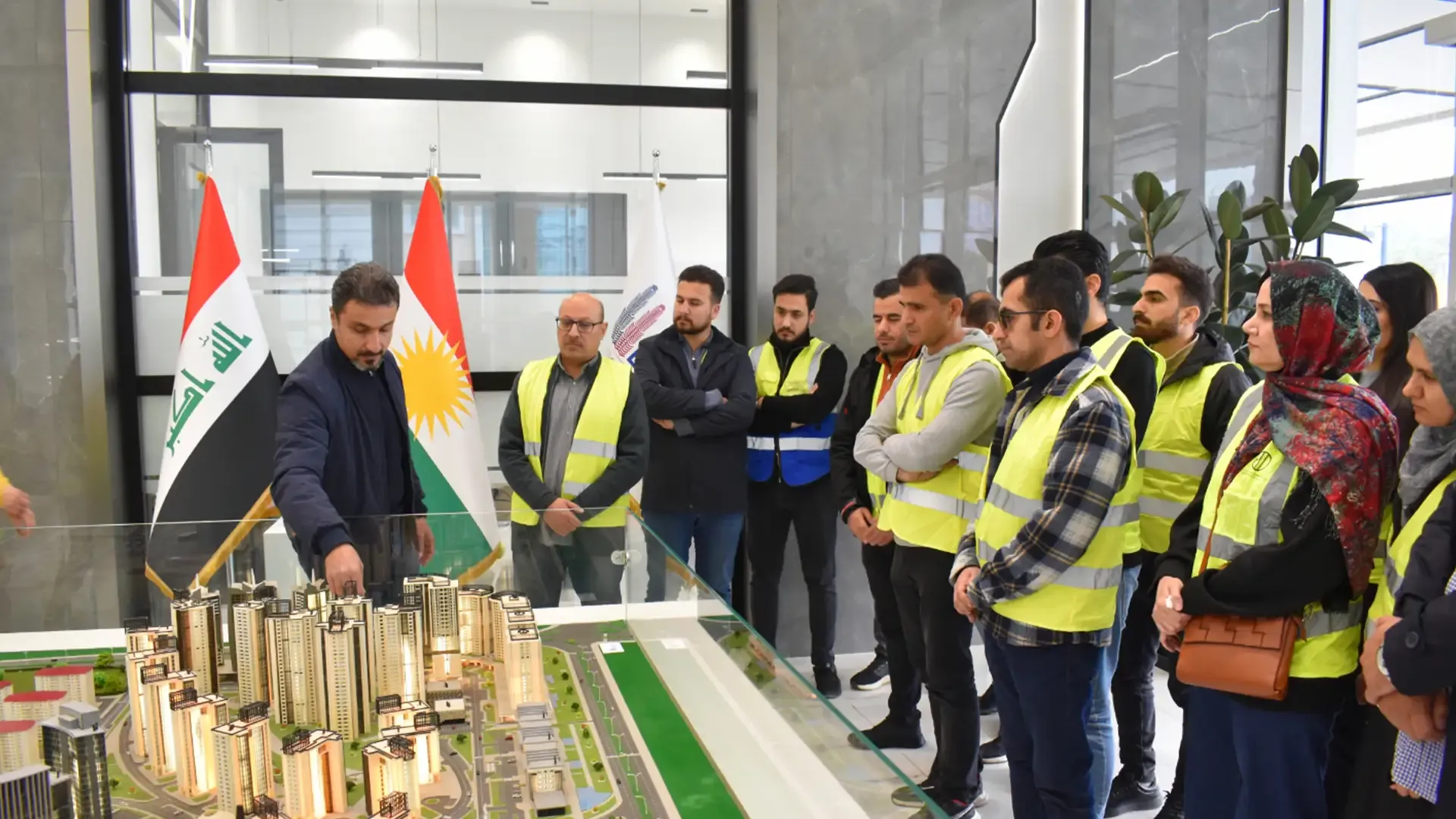
Internship & Practical Training Opportunities
Gain real-world experience while you learn
Engineering & Design Firms
Hands-on experience with engineering design, analysis, and project planning in leading firms.
Construction & Development Companies
Gain experience on construction sites, project management, and hands-on construction operations.
Government & Public Works Departments
Work with government agencies on infrastructure planning, public works, and community development projects.
Water & Environmental Agencies
Experience in water resource management, environmental protection, and sustainability organizations.
Community & Infrastructure Outreach
Making a difference beyond the classroom
Community Infrastructure Projects
Students participate in community development projects, designing and building infrastructure for underserved communities.
STEM Education & Engineering Outreach
Inspire future engineers through school visits, STEM workshops, and engineering education programs.
Sustainability & Environmental Awareness
Promote sustainability, environmental stewardship, and green infrastructure in communities.
Community Partnerships
Collaborate with community organizations, municipalities, and non-profits to improve infrastructure and quality of life.
Program FAQs
Common questions about the Civil Engineering program
No prior engineering experience is required. The program provides comprehensive training for beginners, including foundational science and hands-on engineering practice.
You will be prepared for PE licensure, LEED Green Associate, PMP, and other specialized credentials in civil engineering and project management.
Currently, this program is offered on-campus to ensure access to labs, equipment, and hands-on training. Some theoretical courses may be available online.
We provide internship placement assistance, career counseling, job placement support, and networking opportunities with engineering employers and industry organizations.
Yes, transfer credits are evaluated on a case-by-case basis. Please contact the admissions office with your transcripts for a preliminary assessment.
Ready to Build the Future?
Join the Civil Engineering program and become a leader in infrastructure development.