
General Medicine
Diagnose, treat, and prevent illness while providing compassionate patient care
Explore This ProgramProgram Overview
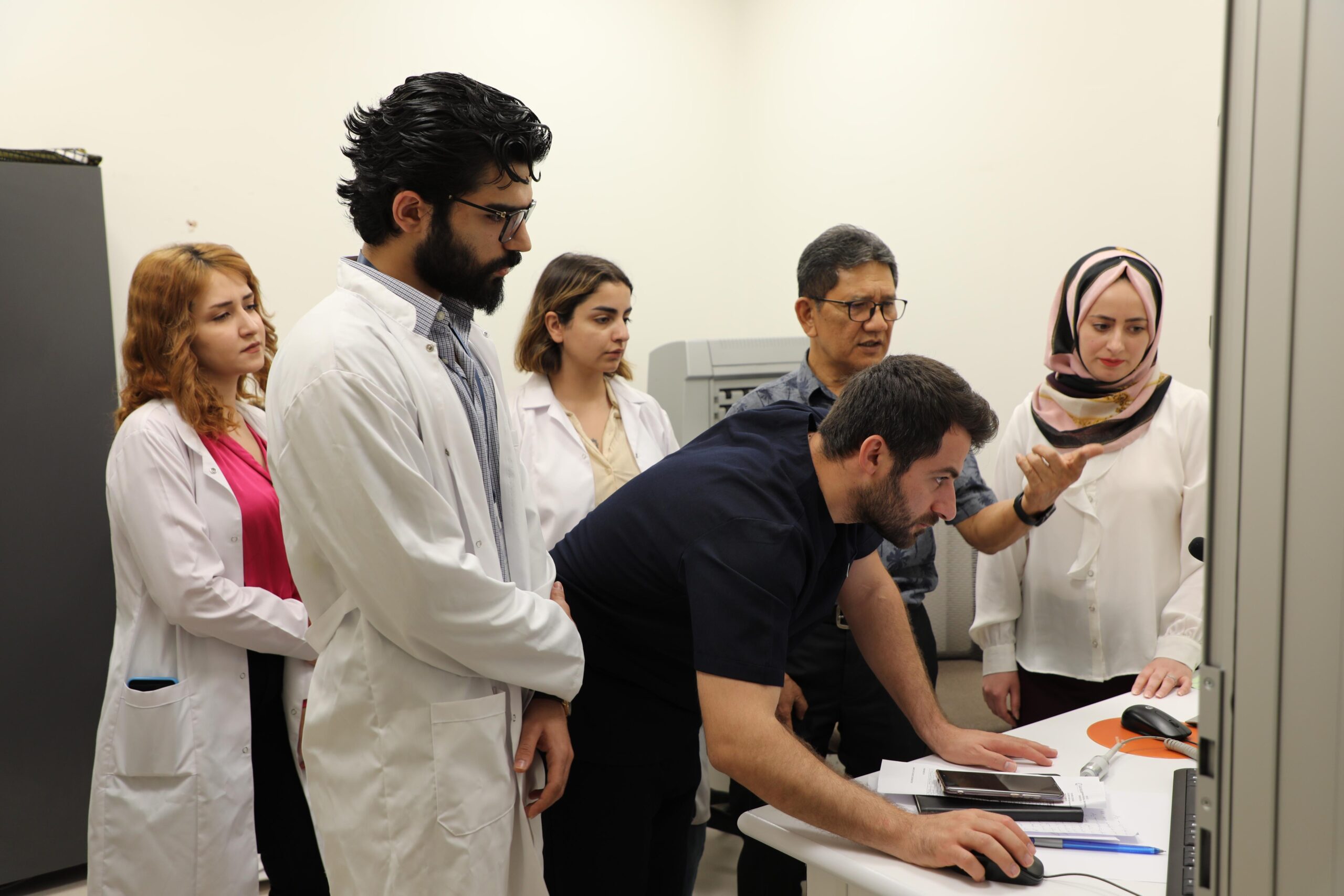
The General Medicine program at Azady University prepares students to become skilled medical professionals who diagnose, treat, and prevent a wide range of health conditions. From comprehensive patient assessment and diagnosis to treatment planning and patient education, our program covers the full spectrum of medical practice.
Students gain expertise in clinical diagnosis, pharmacology, patient management, and preventive medicine. Graduates emerge as essential members of the healthcare team, providing comprehensive medical care and improving the health of individuals and communities.
Admission Requirements
What you need to join this program
Academic Qualification
High school diploma or equivalent with a strong background in biology, chemistry, and physics. Minimum GPA of 70%.
Science Prerequisites
Proficiency in biology, chemistry, and anatomy. An interest in patient care, clinical practice, and medical sciences is recommended.
Application Documents
Submit official transcripts, two recommendation letters, a personal statement, and a copy of your ID.
Language Proficiency
English proficiency is required. TOEFL (iBT 70) or IELTS (5.5) scores accepted, or successful completion of our foundation program.
Medical Equipment & Technologies
Master the tools used in clinical medicine
Diagnostic Instruments
Stethoscopes, otoscopes, ophthalmoscopes, reflex hammers, and other diagnostic tools for comprehensive patient examination.
Patient Monitoring Systems
Vital signs monitors, ECG machines, pulse oximeters, and blood pressure monitors for continuous patient assessment.
Diagnostic Laboratory Equipment
Laboratory equipment for blood analysis, urinalysis, microbiology, and other diagnostic tests used in clinical practice.
Medical Imaging Tools
X-ray, ultrasound, and other imaging technologies for diagnostic evaluation and patient management.
Electronic Health Records
EHR systems for patient documentation, clinical decision support, and continuity of care in medical practice.
Clinical Procedure Equipment
Suture kits, biopsy tools, and other equipment for minor surgical procedures and clinical interventions.
Advanced Medical Technologies
State-of-the-art technology for modern medical practice
Molecular Diagnostics
Advanced diagnostic techniques including PCR, genetic testing, and molecular biomarkers for precision medicine.
Telemedicine & Remote Consultation
Digital platforms for remote patient consultations, telemedicine services, and virtual healthcare delivery.
AI in Medical Diagnosis
Artificial intelligence applications in medical diagnosis, decision support, and clinical workflow optimization.
Mobile Health Technologies
Mobile health applications, wearable devices, and digital health tools for patient monitoring and self-management.
Health Data Analytics
Data analytics platforms for population health management, clinical outcomes research, and quality improvement.
Precision & Personalized Medicine
Technologies for personalized treatment planning, pharmacogenomics, and patient-specific therapeutic approaches.
Medical Specialties & Practice Areas
In-depth exploration of specialized medical practice
Internal Medicine
Comprehensive diagnosis and treatment of adult diseases, including chronic conditions, infectious diseases, and multi-system disorders.
Cardiology & Cardiovascular Medicine
Diagnosis and management of heart and vascular conditions, including hypertension, heart failure, and coronary artery disease.
Neurology
Diagnosis and treatment of neurological conditions, including stroke, epilepsy, movement disorders, and neurodegenerative diseases.
Pulmonology & Respiratory Medicine
Diagnosis and management of respiratory conditions, including asthma, COPD, pneumonia, and pulmonary diseases.
Endocrinology & Metabolic Disorders
Diagnosis and treatment of hormonal and metabolic disorders, including diabetes, thyroid disorders, and endocrine conditions.
Orthopedics & Musculoskeletal Medicine
Diagnosis and treatment of musculoskeletal conditions, including fractures, arthritis, and joint disorders.
Specialty Tracks & Subspecialties
Explore the diverse career pathways in internal medicine
Cardiology
Focus on the diagnosis and management of heart conditions, including coronary artery disease, heart failure, arrhythmias, and valvular heart disease.
Neurology
Specialize in disorders of the nervous system, including stroke, epilepsy, dementia, Parkinson’s disease, and multiple sclerosis.
Pulmonology
Focus on respiratory conditions, including asthma, COPD, pneumonia, pulmonary fibrosis, and sleep apnea.
Endocrinology
Specialize in hormonal disorders, including diabetes, thyroid conditions, adrenal disorders, and metabolic syndromes.
Gastroenterology
Focus on digestive system disorders, including liver disease, irritable bowel syndrome, inflammatory bowel disease, and gastrointestinal cancers.
Nephrology
Specialize in kidney disorders, including chronic kidney disease, acute renal failure, electrolyte imbalances, and hypertension.
Rheumatology
Focus on autoimmune and musculoskeletal disorders, including rheumatoid arthritis, lupus, gout, and osteoporosis.
Infectious Diseases
Specialize in the diagnosis and management of infectious diseases, including HIV/AIDS, tuberculosis, tropical diseases, and hospital-acquired infections.
Skills Competency Checklist
The practical skills you will master in this program
Clinical Assessment & Diagnosis
Conduct comprehensive patient assessments, perform physical examinations, and develop differential diagnoses for medical conditions.
Treatment Planning & Management
Develop evidence-based treatment plans, prescribe medications, and manage patient care across clinical settings.
Diagnostic Test Interpretation
Interpret laboratory results, diagnostic imaging, and other clinical tests for accurate diagnosis and treatment monitoring.
Patient Monitoring & Follow-up
Monitor patient progress, adjust treatment plans, and provide follow-up care for optimal health outcomes.
Patient & Family Communication
Communicate effectively with patients and families, provide health education, and support informed decision-making.
Clinical Documentation & Record Keeping
Maintain accurate patient records, document clinical findings, and ensure compliance with documentation standards.
Interprofessional Collaboration
Collaborate with nurses, specialists, and other healthcare professionals for coordinated patient care.
Patient Communication & Bedside Manner
Building trust and delivering compassionate care
Breaking Bad News
Learn compassionate techniques for delivering difficult diagnoses, handling patient emotions, and providing hope while maintaining honesty.
Motivational Interviewing
Master patient-centered communication techniques to motivate behavior change, improve adherence, and support health goals.
Patient Education & Health Literacy
Develop skills to educate patients effectively, using clear communication, teach-back methods, and culturally appropriate materials.
Shared Decision-Making
Engage patients in treatment decisions, present options clearly, respect patient preferences, and foster partnership in care.
Cultural Competence & Diversity
Provide culturally sensitive care, understand health beliefs across cultures, and address disparities with empathy and respect.
Empathy & Emotional Support
Develop empathy, active listening, and emotional support skills to build trust, reduce patient anxiety, and improve satisfaction.
Professionalism & Physician-Patient Relationship
Understand the foundations of the physician-patient relationship, maintain professional boundaries, and build long-term therapeutic relationships.
Communication with Families & Caregivers
Effectively communicate with family members and caregivers, provide support, and coordinate care for complex patient needs.
Specializations & Tracks
Focus your studies in the area that interests you most
Internal Medicine
Focus on comprehensive adult medicine, including diagnosis and management of complex medical conditions.
Cardiovascular Medicine
Specialize in heart and vascular conditions, including hypertension, heart failure, and cardiac interventions.
Neurology
Focus on neurological conditions, including stroke, epilepsy, movement disorders, and neurodegenerative diseases.
Pediatrics
Specialize in the medical care of infants, children, and adolescents, including growth, development, and childhood diseases.
Geriatric Medicine
Focus on the healthcare needs of older adults, including age-related conditions, polypharmacy, and comprehensive geriatric assessment.
Curriculum Highlights
What you’ll learn in this program
Introduction to Clinical Medicine
Learn the foundations of medical practice, including ethics, professionalism, and the role of physicians in healthcare.
Human Anatomy & Physiology
Study the structure and function of the human body, providing the foundation for clinical medicine and patient care.
Pathology & Disease Processes
Understand disease mechanisms, pathophysiological processes, and the impact of disease on organ systems and patient health.
Clinical Pharmacology
Study drug actions, therapeutic applications, and safe prescribing practices for the management of medical conditions.
Patient Assessment & Clinical Diagnosis
Master patient assessment techniques, diagnostic reasoning, and clinical decision-making for effective medical practice.
Clinical Medicine Practice
Apply medical skills in supervised clinical settings, providing comprehensive patient care under the guidance of experienced physicians.
Industry Certifications
Earn credentials that enhance your employability
Medical Licensure Preparation
Preparation for medical licensing examinations, including USMLE and other national licensing exams for medical practice.
Advanced Cardiac Life Support (ACLS)
Advanced certification for managing cardiac emergencies and responding to critical patient situations.
Basic Life Support (BLS)
Essential certification in CPR and emergency response for healthcare providers, required for all medical professionals.
Clinical Research Certification
Certification in clinical research, covering good clinical practice, research ethics, and clinical trial management.
Quality Improvement Certification
Certification in quality improvement and patient safety, demonstrating expertise in healthcare quality management.
Career Opportunities
Where this program can take you
General Practitioner
Provide comprehensive primary care, diagnose and treat medical conditions, and manage patient health across all age groups.
Hospital Physician
Work in hospital settings, providing inpatient care, managing acute medical conditions, and coordinating patient care.
Cardiologist
Specialize in the diagnosis and treatment of heart and vascular conditions, including hypertension, heart failure, and cardiac interventions.
Neurologist
Specialize in neurological conditions, including stroke, epilepsy, movement disorders, and neurodegenerative diseases.
Pediatrician
Provide medical care for infants, children, and adolescents, including developmental assessments and childhood disease management.
Clinical Rotation Sites & Partner Facilities
Where you’ll gain hands-on clinical experience
Teaching Hospitals & Medical Centers
Clinical rotations in teaching hospitals and medical centers, providing comprehensive patient care under faculty supervision.
Outpatient Clinics & Primary Care
Gain experience in outpatient settings, providing primary care services and managing chronic conditions.
Specialty Clinics & Departments
Rotate through specialty departments including cardiology, neurology, endocrinology, and other medical specialties.
Pediatric & Women’s Health Centers
Specialized rotations in pediatrics, obstetrics, and women’s health centers, gaining experience in these areas.
Geriatric & Community Health Centers
Clinical placements in geriatric and community health settings, providing care for older adults and underserved populations.
Clinical Rotations & Residency Preparation
Comprehensive training for medical careers
Core Clinical Rotations
Complete rotations in Internal Medicine, Pediatrics, Surgery, Obstetrics & Gynecology, Psychiatry, Emergency Medicine, and Family Medicine.
Residency Match Support
Comprehensive guidance through the residency application process, including personal statement writing, interview preparation, and match strategy.
Specialty Elective Rotations
Choose elective rotations in Cardiology, Neurology, Gastroenterology, Endocrinology, and other subspecialties to explore career pathways.
Clinical Skills Training & Assessments
Participate in OSCEs, clinical skills labs, and standardized patient encounters to develop and refine clinical competencies.
Mentorship & Career Advising
Receive individualized mentorship from faculty physicians to guide career decisions, specialty selection, and professional development.
Research & Scholarly Projects
Engage in clinical research, quality improvement projects, and scholarly work to strengthen residency applications and academic portfolios.
Clinical Skills & Simulation Labs
Hands-on training in realistic medical environments
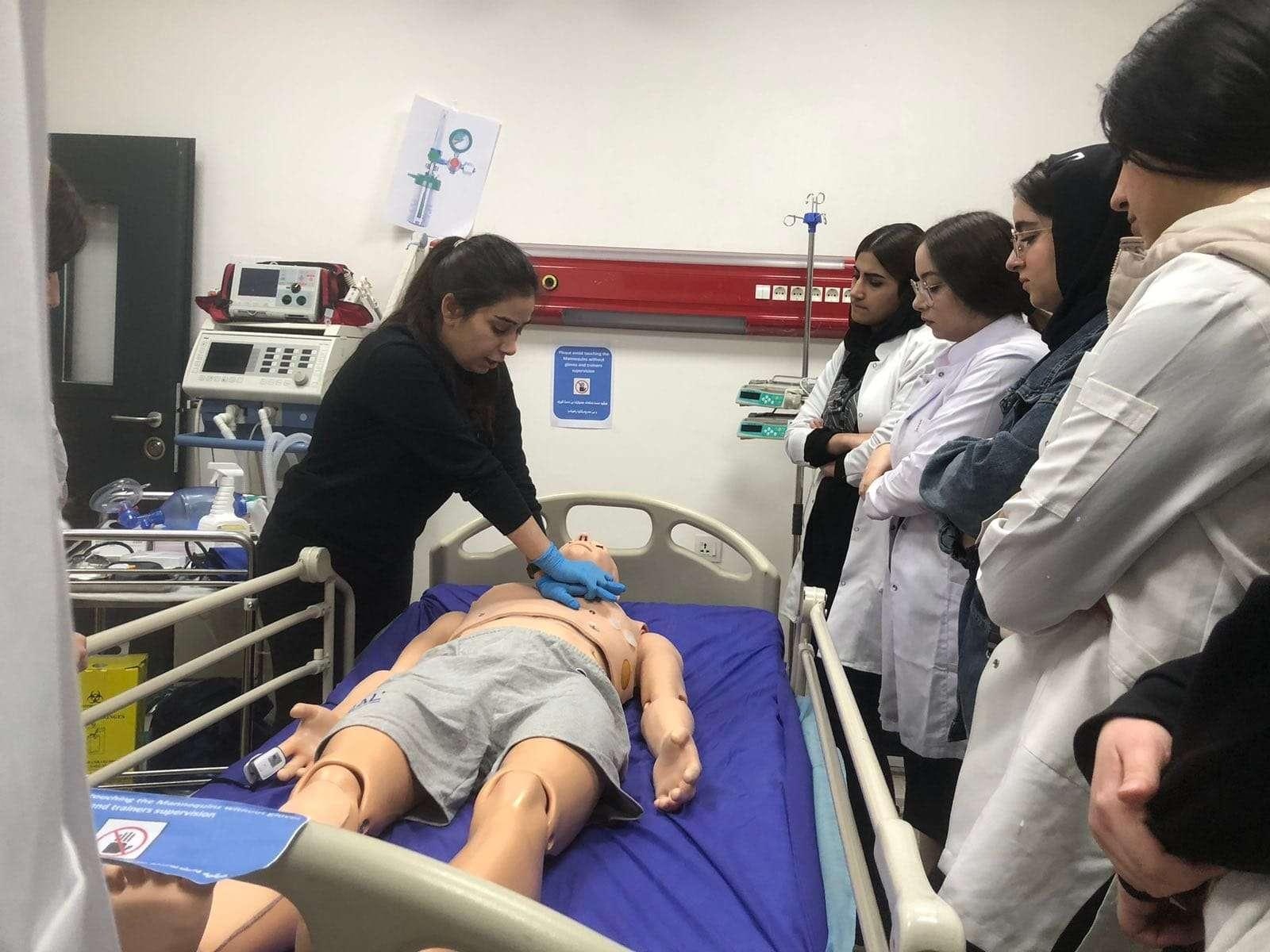
Clinical Skills Simulation Lab
State-of-the-art simulation lab with patient manikins and equipment for practicing clinical skills in a safe environment.
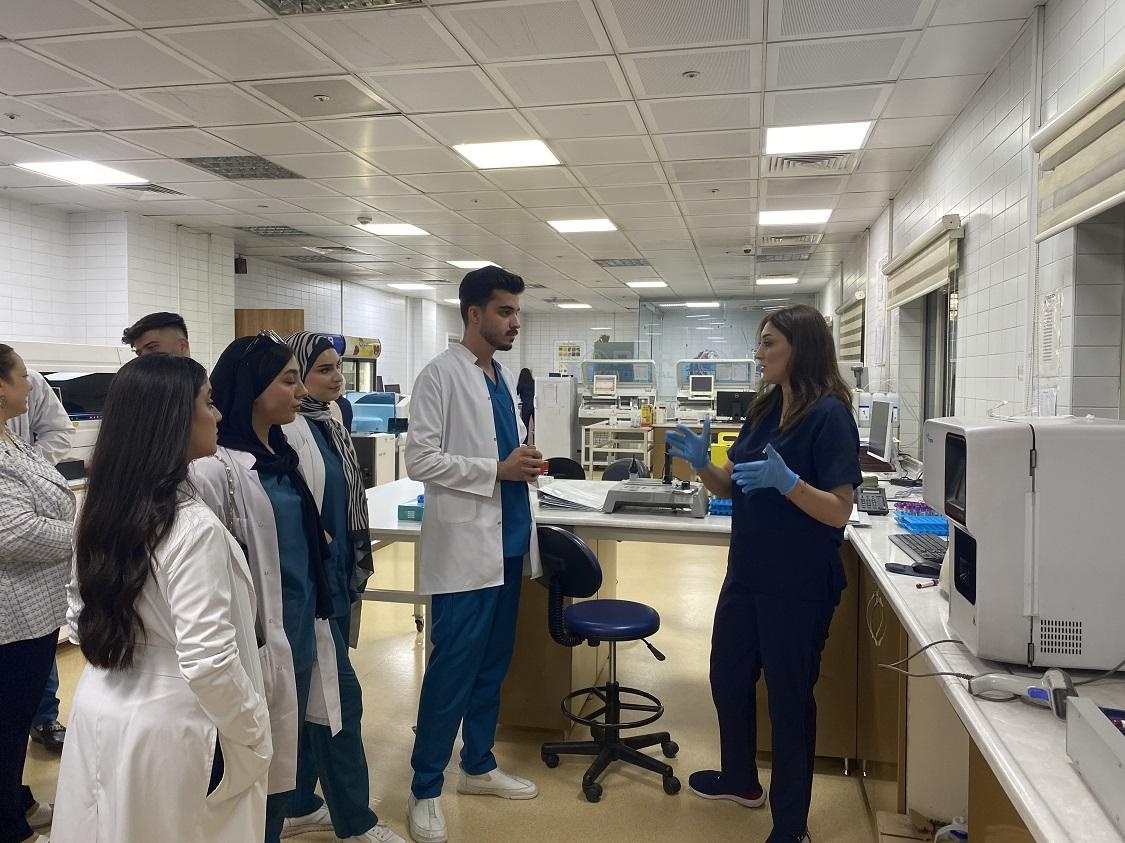
Diagnostic & Procedure Lab
Dedicated lab for practicing diagnostic procedures, physical examination techniques, and minor surgical interventions.
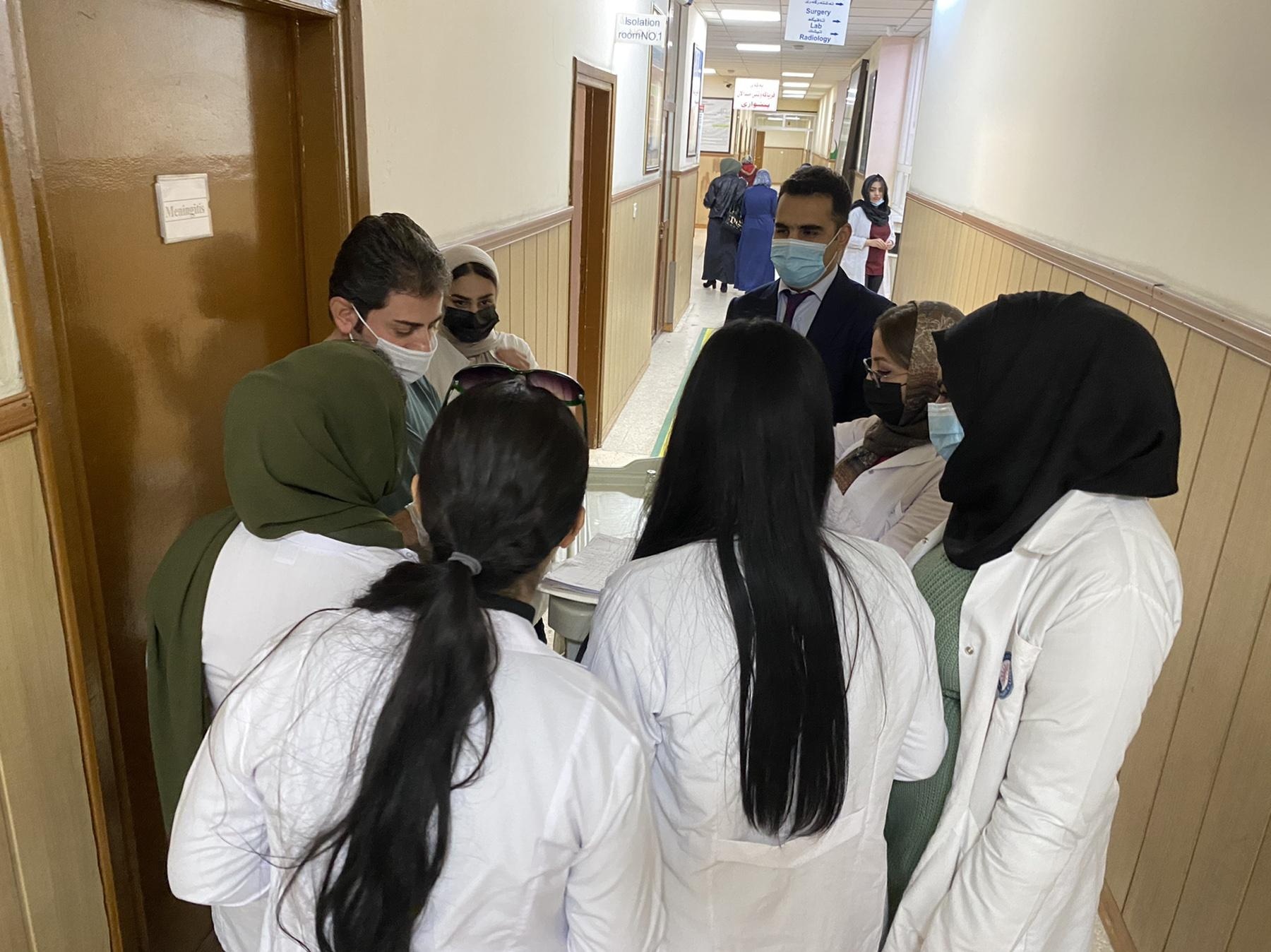
Clinical Practice Rotations
Supervised clinical placements in hospitals and clinics providing real-world experience and patient care opportunities.
Patient Safety & Professional Practice
Ensuring the highest standards of patient care
Patient Safety & Risk Management
Implement safety protocols, manage clinical risks, and ensure patient safety in medical practice.
Clinical Documentation & Records
Maintain accurate patient records, document clinical findings, and ensure compliance with professional documentation standards.
Medical Ethics & Professional Standards
Uphold professional standards, ethical principles, and legal responsibilities in medical practice.
Informed Consent & Patient Communication
Obtain informed consent, communicate effectively with patients, and ensure transparency in medical care.
Interprofessional Collaboration
Collaborate effectively with nurses, specialists, and healthcare professionals for coordinated patient care.
Quality Assurance & Improvement
Participate in quality improvement initiatives, evaluate patient outcomes, and implement evidence-based practices.
Why Choose This Program?
- Hands-on training in clinical skills and simulation labs with state-of-the-art equipment
- Experienced faculty with extensive clinical and teaching experience
- Preparation for medical licensure and certification examinations
- Clinical placements in hospitals, clinics, and specialty centers
- Strong emphasis on patient-centered care, evidence-based practice, and professional ethics
- High demand for medical professionals with diverse career opportunities and competitive salaries
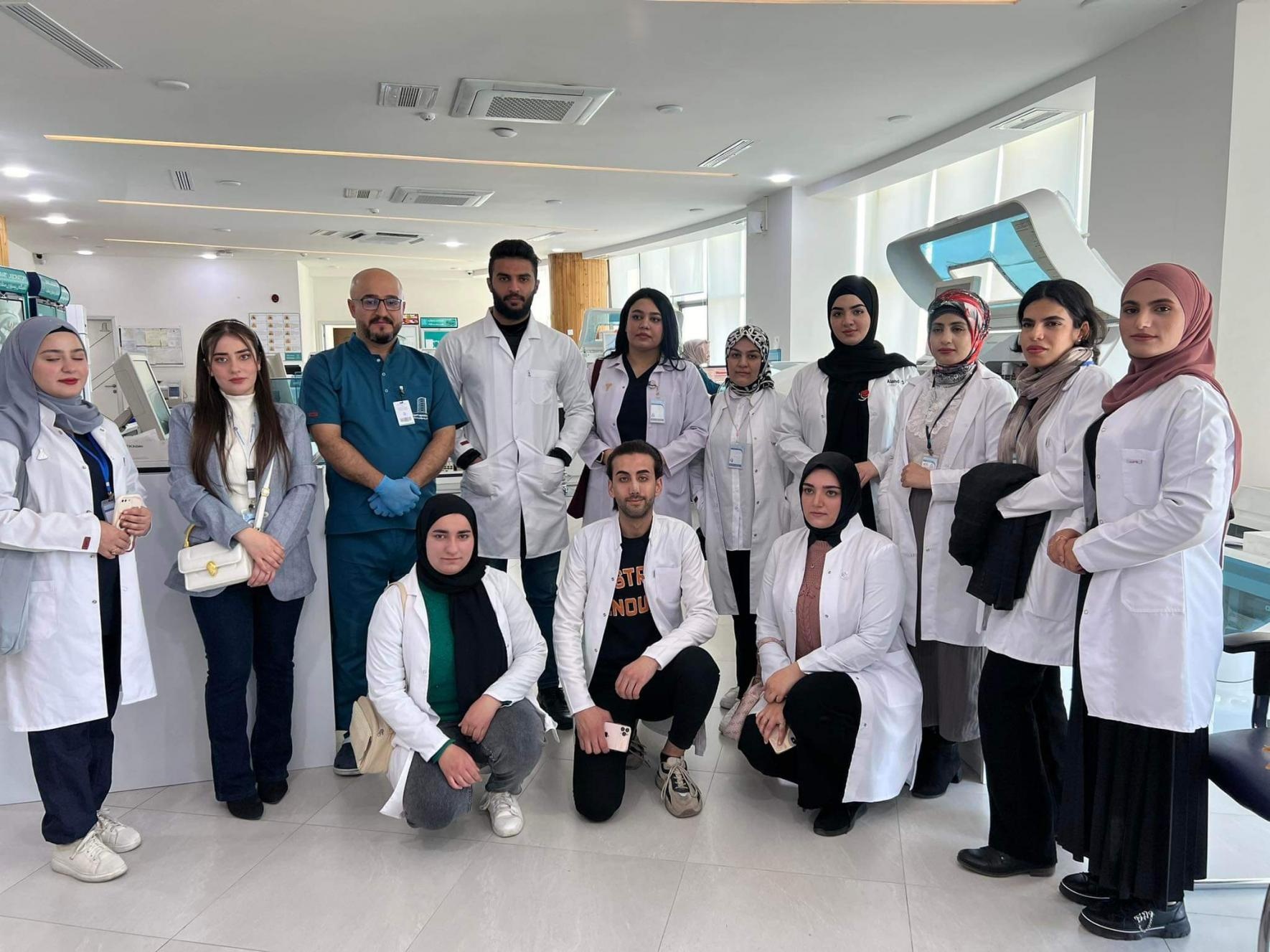
Internship & Clinical Placement Opportunities
Gain real-world experience while you learn
Hospitals & Medical Centers
Clinical placements in hospitals and medical centers, providing comprehensive patient care and clinical experience.
Primary Care & Outpatient Clinics
Gain experience in primary care settings, managing patients and providing continuous care.
Specialty & Subspecialty Departments
Rotate through specialty departments, gaining experience in cardiology, neurology, endocrinology, and other fields.
Pediatric & Community Health Centers
Experience in pediatric and community health settings, providing care for children and underserved populations.
Community Health Outreach
Making a difference beyond the classroom
Health Screenings & Education
Students participate in community health events, offering health screenings, patient education, and preventive care services.
Health Literacy & Patient Education
Develop educational materials on disease prevention, chronic disease management, and health promotion for diverse communities.
Community Health Partnerships
Collaborate with community organizations, clinics, and health centers to improve access to healthcare services and resources.
Vaccination & Preventive Care
Support community vaccination campaigns and preventive care initiatives, promoting public health and disease prevention.
Program FAQs
Common questions about the General Medicine program
No prior healthcare experience is required. The program provides comprehensive training for beginners, including foundational science and hands-on clinical practice.
You will be prepared for medical licensure, ACLS, BLS, and other specialized credentials in clinical medicine and patient care.
Currently, this program is offered on-campus to ensure access to clinical labs, equipment, and hands-on training. Some theoretical courses may be available online.
We provide clinical placement assistance, career counseling, job placement support, and networking opportunities with medical employers and healthcare organizations.
Yes, transfer credits are evaluated on a case-by-case basis. Please contact the admissions office with your transcripts for a preliminary assessment.
Ready to Make a Difference in Medicine?
Join the General Medicine program and become a vital part of the healthcare team.