
Emergency Medical Services
Save lives and provide critical care in emergency situations
Explore This ProgramProgram Overview
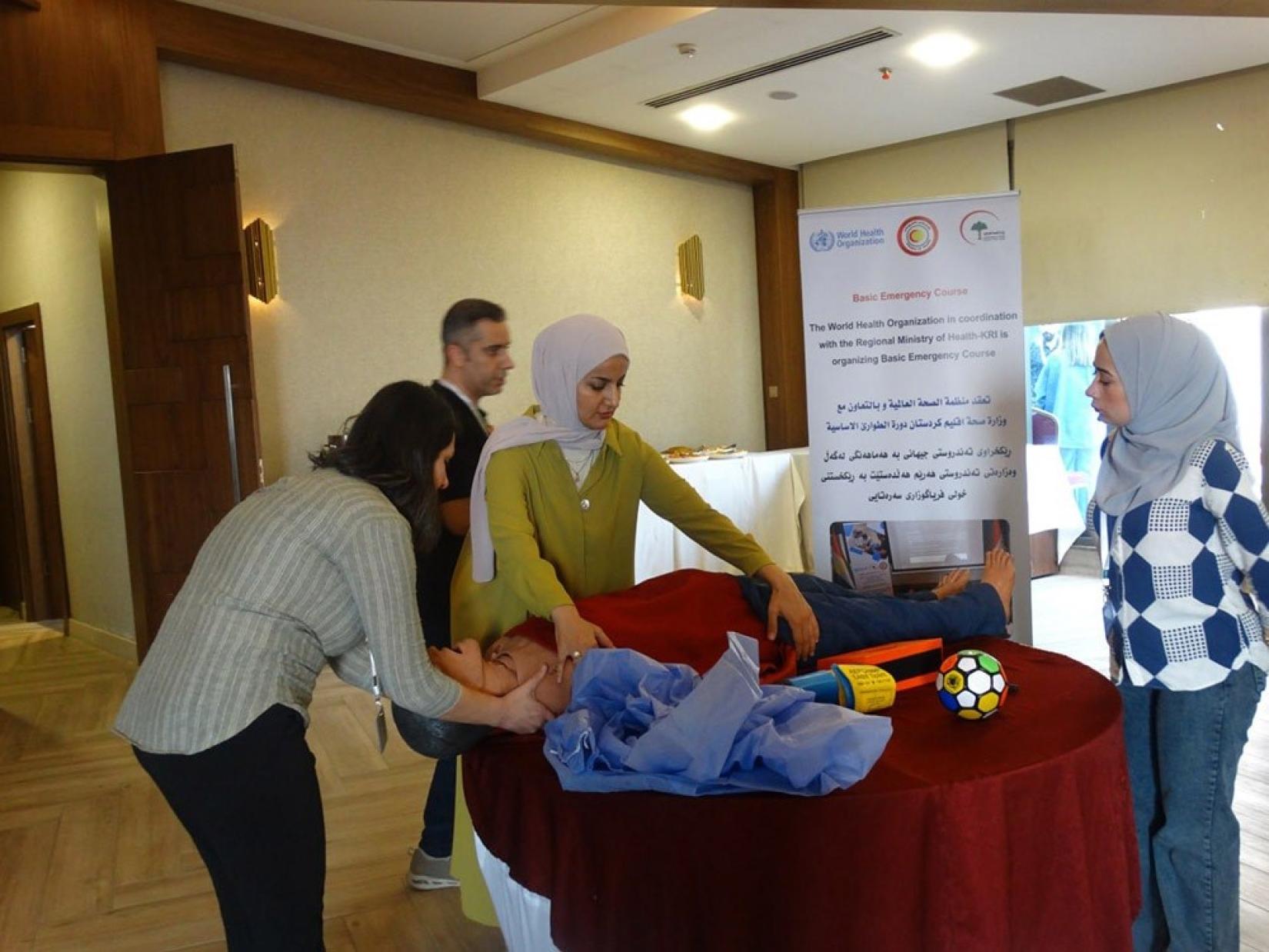
The Emergency Medical Services program at Azady University prepares students to become skilled emergency medical professionals who provide critical care in life-threatening situations. From pre-hospital emergency care and trauma management to advanced life support and disaster response, our program covers the full spectrum of emergency medical practice.
Students gain expertise in patient assessment, emergency procedures, trauma care, and medical transportation. Graduates emerge as essential members of the healthcare team, providing rapid, effective care in emergency situations and saving lives.
Admission Requirements
What you need to join this program
Academic Qualification
High school diploma or equivalent with a strong background in biology, chemistry, and physics. Minimum GPA of 70%.
Science Prerequisites
Proficiency in biology, anatomy, and physiology. An interest in emergency care, critical thinking, and fast-paced clinical practice is recommended.
Application Documents
Submit official transcripts, two recommendation letters, a personal statement, and a copy of your ID.
Language Proficiency
English proficiency is required. TOEFL (iBT 70) or IELTS (5.5) scores accepted, or successful completion of our foundation program.
EMS Equipment & Technologies
Master the tools used in pre-hospital emergency care
Ambulance & Medical Transport
Emergency ambulances, medical transport vehicles, and equipment for patient stabilization and safe transportation.
Patient Monitoring Systems
Cardiac monitors, pulse oximeters, blood pressure monitors, and capnography devices for continuous patient monitoring.
Advanced Life Support Equipment
Defibrillators, mechanical ventilators, intubation equipment, and infusion pumps for advanced emergency care.
Trauma & Emergency Supplies
Trauma kits, splints, cervical collars, spine boards, and hemorrhage control supplies for managing traumatic injuries.
Airway & Breathing Equipment
Bag-valve-masks, oxygen delivery systems, airway adjuncts, and suction devices for airway management and ventilation.
EMS Documentation & Communication
Electronic patient care reporting systems, communication devices, and dispatch systems for coordinated emergency response.
Advanced Prehospital Technologies
State-of-the-art technology for modern EMS practice
Air Ambulance & Medical Evacuation
Helicopter and fixed-wing air ambulance operations, including patient transport, safety protocols, and critical care transport.
Telemedicine & Remote Consultation
Telemedicine platforms for real-time consultation with emergency physicians and specialists during pre-hospital care.
Electronic Patient Care Reporting
Digital documentation systems for accurate record-keeping, quality assurance, and continuity of care in emergency settings.
Real-Time Monitoring & Data Transmission
Systems for transmitting patient vital signs and data to hospitals in real-time, enabling early hospital preparation and coordinated care.
Mass Casualty & Disaster Response
Technologies and protocols for managing mass casualty incidents, triage systems, and coordinated disaster response.
Autonomous & Robotic Rescue Systems
Emerging technologies including rescue robotics, drone delivery of medical supplies, and autonomous emergency response.
Ambulance Operations & Transport Medicine
Master the operational aspects of emergency medical transport
Ambulance Design & Equipment
Understand ambulance configurations, vehicle equipment, storage systems, and the importance of organized workspace for efficient patient care.
Safe Driving & Emergency Response
Learn emergency driving techniques, defensive driving, traffic management, and safe patient transport practices for emergency vehicles.
Transport Decision-Making
Develop clinical judgment for patient transport decisions, including destination selection, transport mode, and continuity of care protocols.
Patient Stabilization During Transport
Master techniques for stabilizing patients during transport, including monitoring, medication administration, and emergency interventions in motion.
Handover & Transfer of Care
Practice effective patient handover to hospital staff, ensuring seamless transfer of information and continuity of emergency care.
Vehicle Safety & Maintenance
Learn vehicle safety protocols, routine maintenance, equipment checks, and emergency vehicle operations for safe and reliable transport.
First Responder & CPR Training
Build essential life-saving skills
Basic Life Support (BLS) & CPR
Master CPR techniques, rescue breathing, and basic life support skills for adults, children, and infants in emergency situations.
Automated External Defibrillator (AED) Use
Learn to operate AEDs safely and effectively, recognizing cardiac arrest and delivering life-saving defibrillation in emergencies.
First Aid & Basic Trauma Care
Develop skills in wound care, hemorrhage control, splinting, burn management, and basic trauma care as a first responder.
Scene Safety & Situational Awareness
Assess and maintain scene safety, identify hazards, and protect yourself, your team, and patients during emergency response.
Initial Patient Assessment
Conduct rapid initial patient assessments, identify life-threatening conditions, and prioritize care for immediate intervention.
Emergency Communication & Call-Out
Practice effective emergency communication, including calling for help, radio communication, and coordinating with emergency services.
EMS Specialties & Practice Areas
In-depth exploration of specialized EMS practice
Pre-Hospital Emergency Care
Emergency medical care provided at the scene of accidents, medical emergencies, and trauma incidents before hospital arrival.
Trauma & Critical Care
Management of trauma patients, including hemorrhage control, spinal immobilization, and advanced trauma life support.
Cardiac & Medical Emergencies
Recognition and management of cardiac arrest, acute coronary syndrome, stroke, and other life-threatening medical emergencies.
Pediatric & Obstetric Emergencies
Emergency care for pediatric patients and obstetric emergencies, including neonatal resuscitation and maternal complications.
Wilderness & Austere Medicine
Emergency medical care in remote and resource-limited environments, including wilderness rescue and extended patient care.
Mass Casualty & Disaster Management
Incident command, triage, and management of mass casualty incidents, natural disasters, and public health emergencies.
Skills Competency Checklist
The practical skills you will master in this program
Emergency Assessment & Triage
Conduct rapid patient assessments, prioritize care based on severity, and make critical decisions in emergency situations.
Advanced Life Support
Perform advanced cardiac life support, including defibrillation, medication administration, and advanced airway management.
Trauma & Critical Care
Manage trauma patients, control hemorrhage, immobilize spinal injuries, and provide critical care during transport.
Patient Monitoring & Documentation
Monitor patient vital signs, interpret data, and document patient care accurately for continuity of care.
Emergency Response & Scene Management
Manage emergency scenes, coordinate with emergency services, and ensure scene safety for patients and responders.
Communication & Team Coordination
Communicate effectively with patients, families, and emergency teams, coordinating care and ensuring patient safety.
Mass Casualty & Disaster Response
Implement mass casualty triage protocols, manage disaster scenes, and coordinate multi-agency response efforts.
Disaster Response & Mass Casualty Incident Management
Prepare for large-scale emergencies and disasters
Incident Command System (ICS)
Understand ICS principles and structures for managing emergency incidents, including command, operations, planning, logistics, and administration.
Triage Protocols (START & SALT)
Master mass casualty triage systems including START and SALT protocols for rapid patient assessment, prioritization, and resource allocation.
Natural Disaster Response
Learn response protocols for earthquakes, floods, storms, and other natural disasters, including search and rescue, evacuation, and medical support.
Mass Casualty Drills & Exercises
Participate in realistic drills and exercises simulating mass casualty incidents, developing practical skills and interagency coordination.
Hospital & EMS Coordination
Coordinate with hospitals, emergency departments, and healthcare facilities for seamless patient transfer and surge capacity management.
Emergency Preparedness & Planning
Develop emergency preparedness plans, conduct risk assessments, and implement protocols for disaster readiness in communities.
Specializations & Tracks
Focus your studies in the area that interests you most
Advanced Life Support
Focus on advanced cardiac life support, critical care, and complex medical emergency management in pre-hospital settings.
Trauma & Critical Care Transport
Specialize in trauma management and critical care patient transport, including air ambulance and emergency evacuation.
Air Medical Transport
Focus on helicopter and fixed-wing medical transport, including patient stabilization and care during air ambulance operations.
Disaster & Mass Casualty Management
Specialize in disaster response, mass casualty incident management, and public health emergency preparedness.
EMS Leadership & Administration
Focus on EMS management, quality assurance, system design, and leadership in emergency medical services organizations.
Curriculum Highlights
What you’ll learn in this program
Introduction to Emergency Medical Services
Learn the foundations of EMS practice, including history, professional standards, and the role of emergency medical professionals in healthcare.
Emergency Patient Assessment
Master rapid patient assessment techniques, diagnostic reasoning, and clinical decision-making in emergency situations.
Trauma & Critical Care
Study trauma management, hemorrhage control, spinal immobilization, and critical care principles for emergency patients.
Medical Emergencies & Cardiac Care
Understand medical emergencies, cardiac conditions, and advanced life support protocols for life-threatening events.
EMS Operations & Disaster Management
Learn EMS operations, scene management, mass casualty triage, and disaster response protocols for large-scale emergencies.
Clinical EMS Practice
Apply emergency skills in supervised clinical settings, including ambulance rotations, emergency departments, and field placements.
Industry Certifications
Earn credentials that enhance your employability
Emergency Medical Technician (EMT)
National certification for emergency medical technicians, validating basic life support and emergency care skills.
Advanced Cardiac Life Support (ACLS)
Advanced certification for managing cardiac emergencies, including cardiac arrest, stroke, and acute coronary syndrome.
Prehospital Trauma Life Support (PHTLS)
Specialized certification in trauma management, covering hemorrhage control, spinal immobilization, and trauma triage.
Pediatric Advanced Life Support (PALS)
Certification in pediatric emergency care, including pediatric assessment, resuscitation, and emergency management.
Mass Casualty & Disaster Management
Specialized certification in disaster response and mass casualty incident management for emergency professionals.
Career Opportunities
Where this program can take you
Emergency Medical Technician
Provide emergency medical care, patient transport, and basic life support in pre-hospital emergency settings.
Paramedic
Deliver advanced life support, administer medications, and manage critical patients in emergency and transport settings.
Air Ambulance Paramedic
Provide emergency medical care during air ambulance transport, including critical care and advanced life support.
Emergency Department Technician
Support emergency department teams, assist with patient care, and provide emergency medical support in hospital settings.
EMS Operations & Administration
Lead EMS operations, manage emergency services, and ensure quality assurance in emergency medical organizations.
Clinical Rotation Sites & Partner Facilities
Where you’ll gain hands-on clinical experience
Ambulance Services & EMS Agencies
Clinical placements in ambulance services, providing emergency care and patient transport alongside experienced paramedics.
Emergency Departments
Gain experience in hospital emergency departments, assisting with patient care and emergency procedures.
Air Ambulance & Medical Transport
Rotate with air ambulance services, gaining experience in air medical transport and critical care evacuation.
Disaster Response & Emergency Agencies
Work with emergency management agencies on disaster response, mass casualty drills, and public health preparedness.
Trauma & Critical Care Centers
Clinical placements in trauma centers and intensive care units, providing care for critically ill and injured patients.
EMS Simulation & Training Labs
Hands-on training in realistic emergency environments
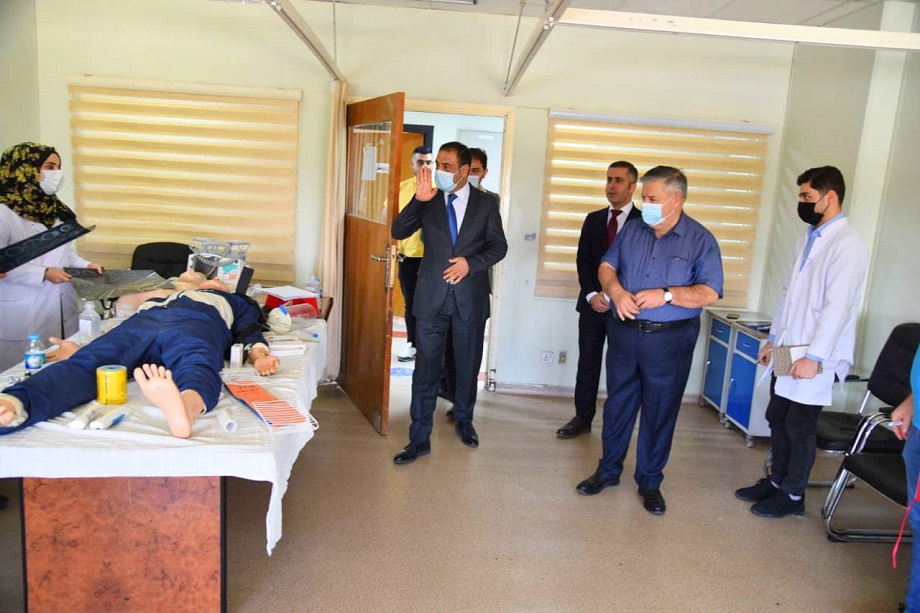
EMS Simulation Lab
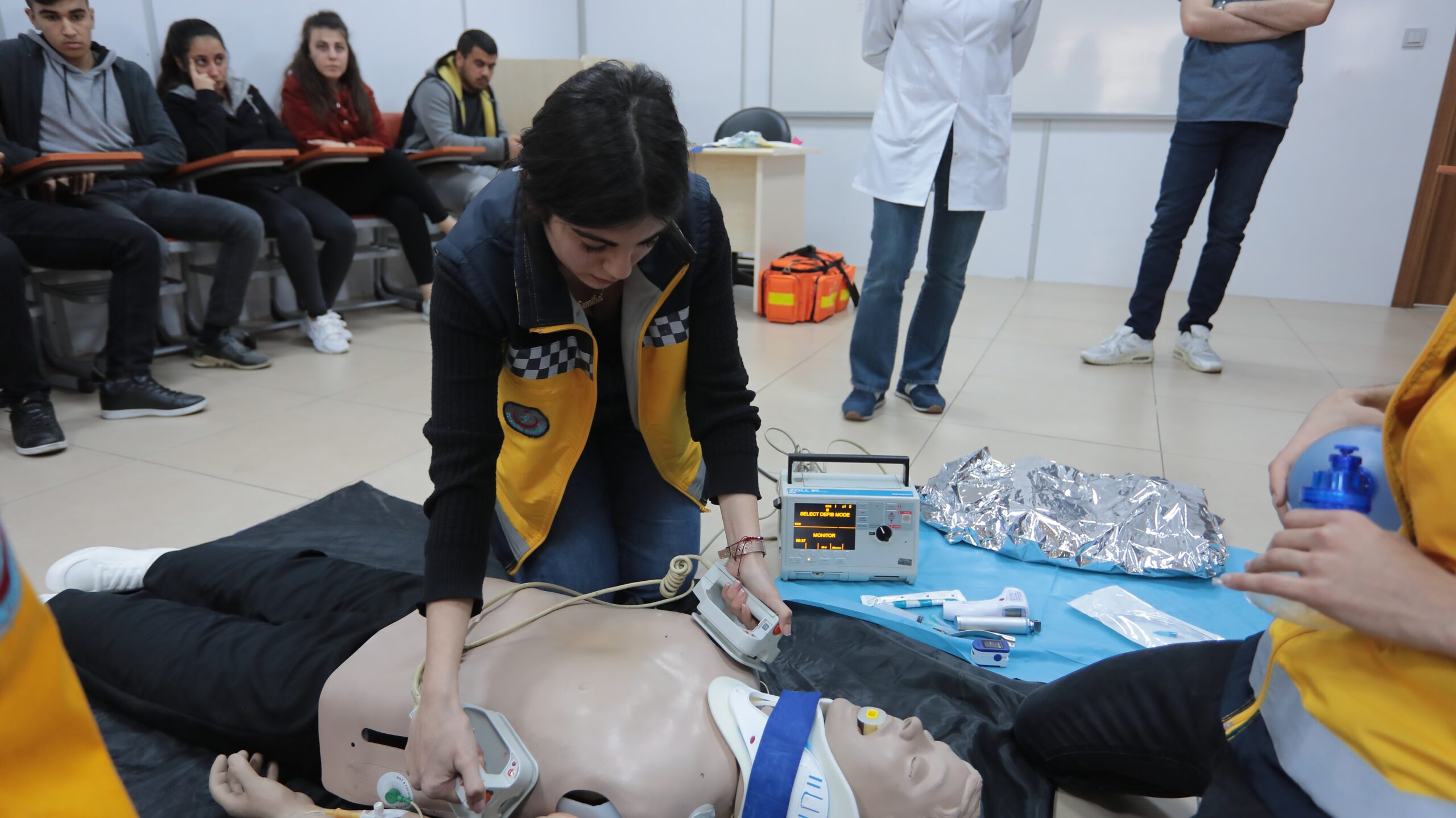
High-fidelity simulation lab with manikins, equipment, and realistic emergency scenarios for practicing clinical skills in safe environments.
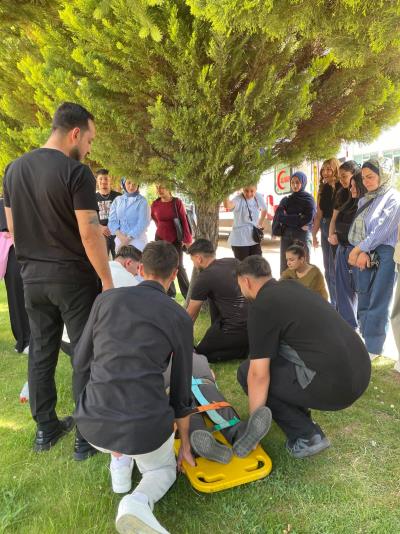
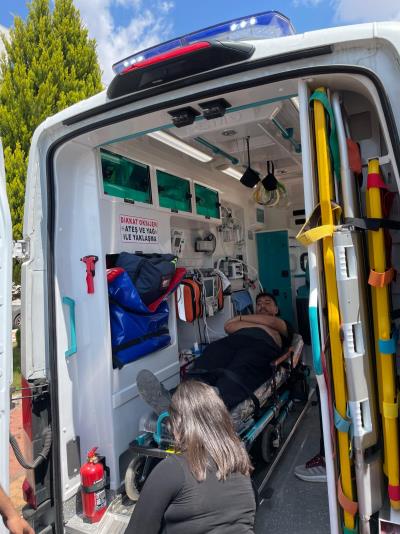
Ambulance & Transport Simulator
Dedicated ambulance simulator for practicing patient transport, emergency driving, and in-vehicle patient care.
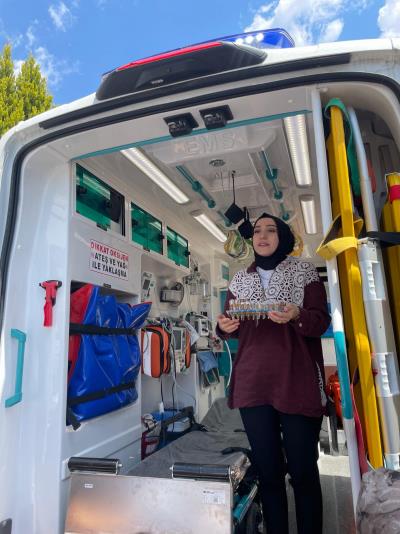
Trauma & Critical Care Lab
Facility for practicing trauma management, hemorrhage control, and critical care procedures using state-of-the-art equipment.
Field & Disaster Simulation Training
Outdoor simulation training for mass casualty incidents, disaster response, and field emergency management.
Emergency Communications & Dispatch
Master the critical link between emergency calls and response
Emergency Call Handling
Learn to handle emergency calls with composure, extract critical information, provide pre-arrival instructions, and coordinate response resources.
Dispatch Protocols & Systems
Understand dispatch systems, prioritization protocols, and resource allocation for efficient emergency response and resource management.
Radio Communication & Coordination
Develop proficiency in radio communication, using clear and concise language, coordinating with field units, and managing multi-agency communications.
Computer-Aided Dispatch (CAD) Systems
Master CAD systems for tracking emergency calls, managing resources, and supporting real-time decision-making during emergency incidents.
Multi-Agency Coordination
Coordinate with police, fire departments, hospitals, and other emergency services for seamless emergency response and mutual aid.
Documentation & Incident Recording
Maintain accurate incident records, log communications, and ensure proper documentation for quality assurance and legal compliance.
Patient Safety & Professional Practice
Ensuring the highest standards of patient care
Patient Safety & Risk Management
Implement safety protocols, manage clinical risks, and ensure patient safety in emergency and pre-hospital settings.
Clinical Documentation & Records
Maintain accurate patient records, document emergency care, and ensure compliance with professional documentation standards.
Professional Ethics & Standards
Uphold professional standards, ethical principles, and legal responsibilities in emergency medical practice.
Informed Consent & Patient Communication
Obtain informed consent, communicate effectively with patients and families, and ensure transparency in emergency care.
Interprofessional Collaboration
Collaborate effectively with emergency services, hospital teams, and healthcare professionals for coordinated patient care.
Quality Assurance & Improvement
Participate in quality improvement initiatives, evaluate patient outcomes, and implement evidence-based practices in EMS.
Why Choose This Program?
- Hands-on training in EMS simulation labs with state-of-the-art equipment
- Experienced faculty with extensive pre-hospital and emergency clinical experience
- Preparation for EMT, ACLS, PHTLS, and other emergency certifications
- Clinical placements in ambulance services, emergency departments, and trauma centers
- Strong emphasis on patient safety, emergency preparedness, and professional ethics
- High demand for EMS professionals with competitive salaries and diverse career opportunities
Internship & Clinical Placement Opportunities
Gain real-world experience while you learn
EMS Agencies & Ambulance Services
Clinical placements in emergency medical services, providing pre-hospital care and patient transport.
Emergency Departments & Trauma Centers
Gain experience in hospital emergency departments, supporting patient care and emergency interventions.
Air Ambulance & Critical Care Transport
Work with air ambulance services, providing critical care transport and emergency medical evacuation.
Disaster Response & Emergency Management
Experience in disaster response agencies, participating in emergency preparedness and disaster management.
Community EMS Outreach
Making a difference beyond the classroom
Community Health & Safety Education
Students participate in community health events, offering CPR training, first aid education, and health and safety awareness.
Emergency Preparedness & Training
Deliver emergency preparedness training to communities, sharing knowledge about disaster response and crisis management.
Health Literacy & Patient Education
Develop educational materials on emergency preparedness, first aid, and health literacy for diverse community audiences.
Community Health Partnerships
Collaborate with community organizations, clinics, and health centers to improve access to emergency services and health resources.
Program FAQs
Common questions about the Emergency Medical Services program
No prior healthcare experience is required. The program provides comprehensive training for beginners, including foundational science and hands-on clinical practice.
You will be prepared to earn EMT certification, ACLS, PHTLS, PALS, and other specialized emergency care credentials.
Currently, this program is offered on-campus to ensure access to simulation labs, equipment, and hands-on training. Some theoretical courses may be available online.
We provide clinical placement assistance, career counseling, job placement support, and networking opportunities with EMS employers and healthcare organizations.
Yes, transfer credits are evaluated on a case-by-case basis. Please contact the admissions office with your transcripts for a preliminary assessment.
Ready to Save Lives in Emergency Medical Services?
Join the Emergency Medical Services program and become a vital part of the emergency healthcare team.