
Medical Laboratory Technology
Diagnose disease and improve patient outcomes through laboratory science
Explore This ProgramProgram Overview
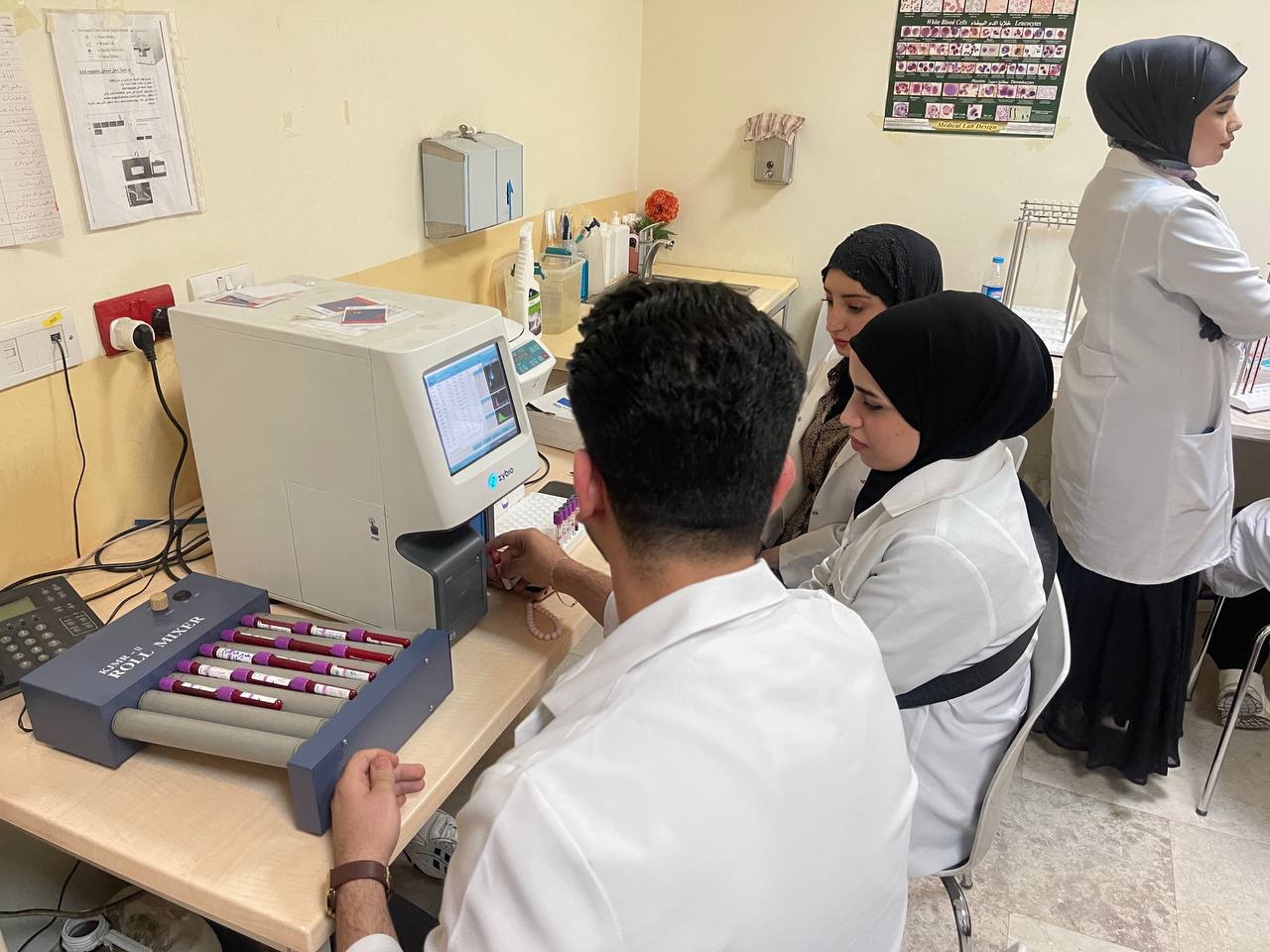
The Medical Laboratory Technology program at Azady University prepares students to become skilled laboratory professionals who play a critical role in disease diagnosis, treatment, and prevention. From clinical chemistry and microbiology to hematology and immunology, our program covers the full spectrum of medical laboratory science.
Students gain extensive hands-on experience with advanced laboratory equipment, diagnostic techniques, and quality assurance protocols. Graduates emerge as essential members of the healthcare team, providing accurate laboratory results that guide patient care decisions.
Admission Requirements
What you need to join this program
Academic Qualification
High school diploma or equivalent with a strong background in biology, chemistry, and mathematics. Minimum GPA of 70%.
Science Prerequisites
Proficiency in biology, chemistry, and basic mathematics. Laboratory experience is recommended but not required.
Application Documents
Submit official transcripts, two recommendation letters, a personal statement, and a copy of your ID.
Language Proficiency
English proficiency is required. TOEFL (iBT 70) or IELTS (5.5) scores accepted, or successful completion of our foundation program.
Laboratory Tools & Equipment
Master the essential tools used in medical laboratory science
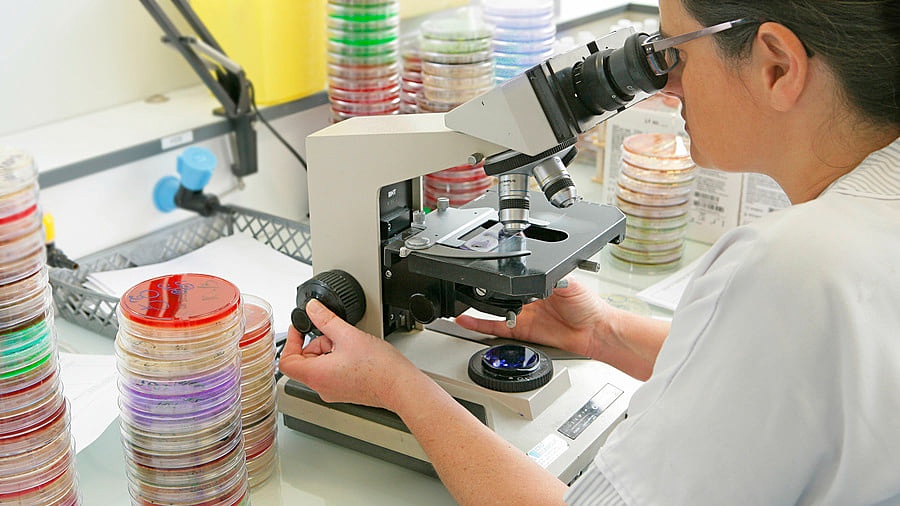
Microscopy & Cell Analysis
Light microscopes, electron microscopes, and cell counters for examining cellular structures and microorganisms.
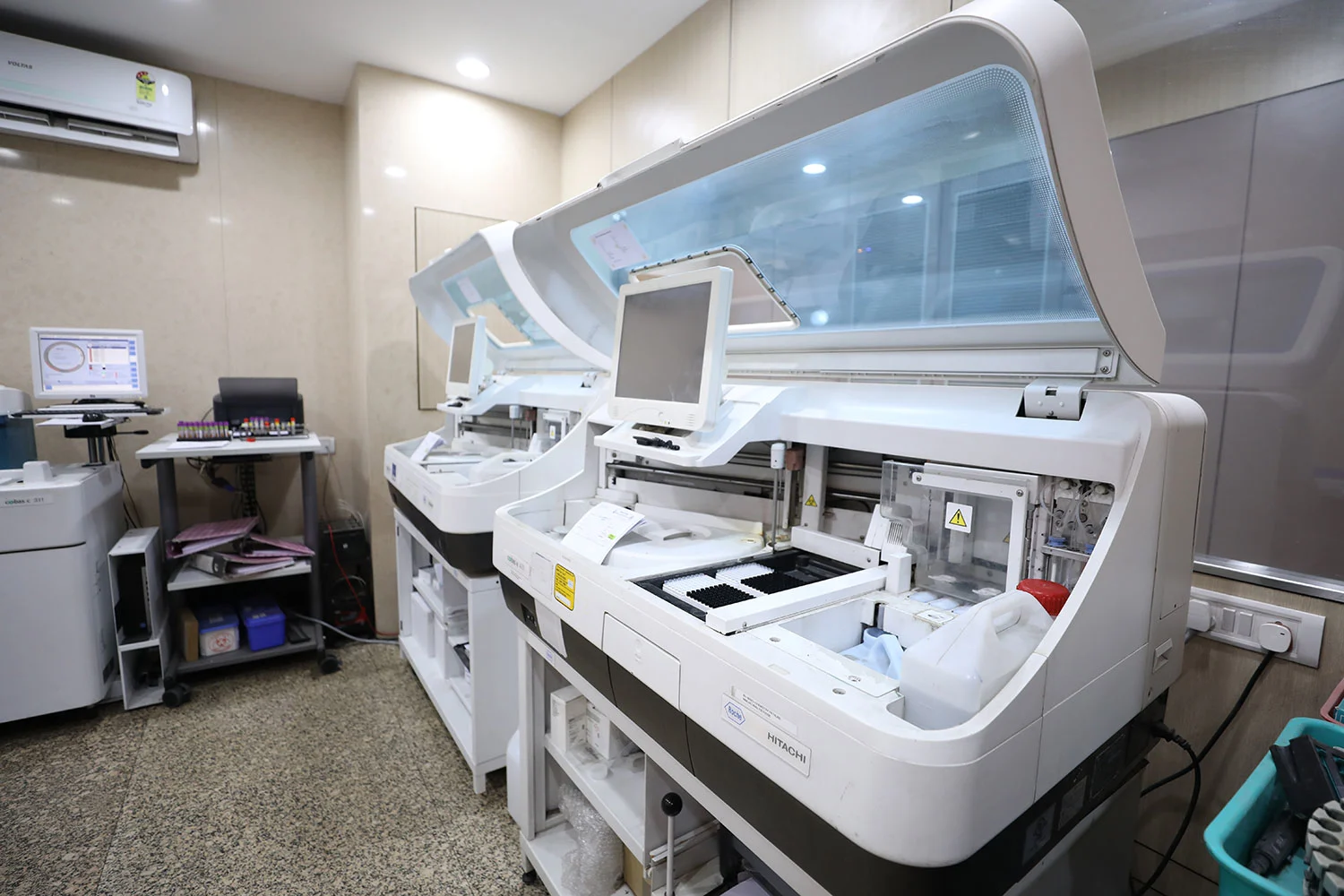
Clinical Chemistry Analyzers
Automated analyzers for measuring blood glucose, cholesterol, enzymes, hormones, and other biochemical markers.
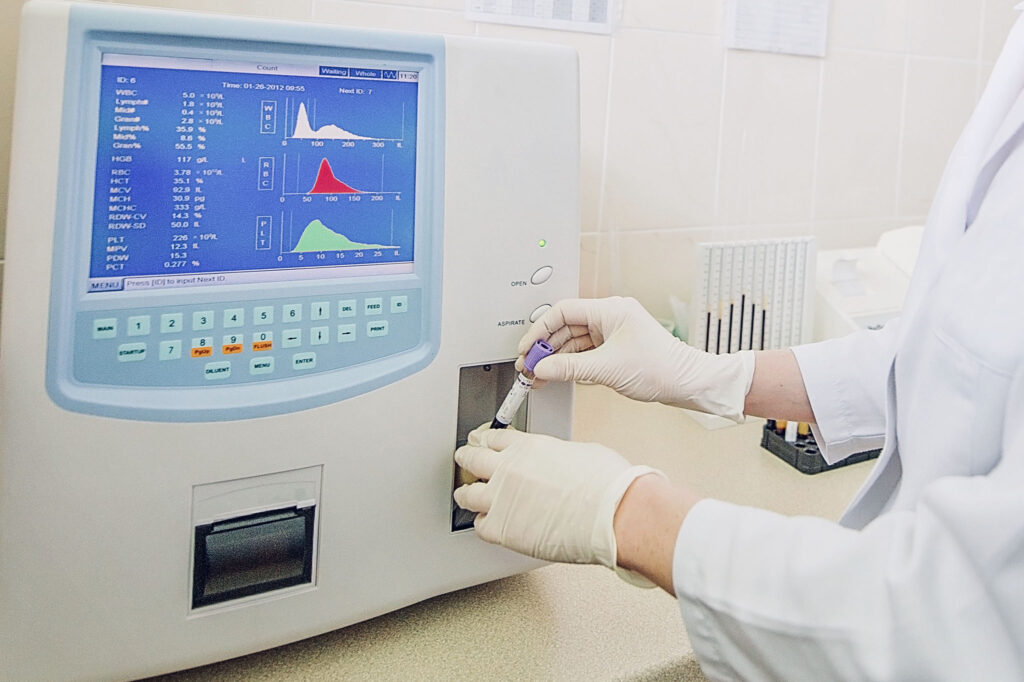
Hematology & Coagulation Instruments
Cell counters, coagulation analyzers, and blood cell morphology tools for diagnosing blood disorders and monitoring treatment.
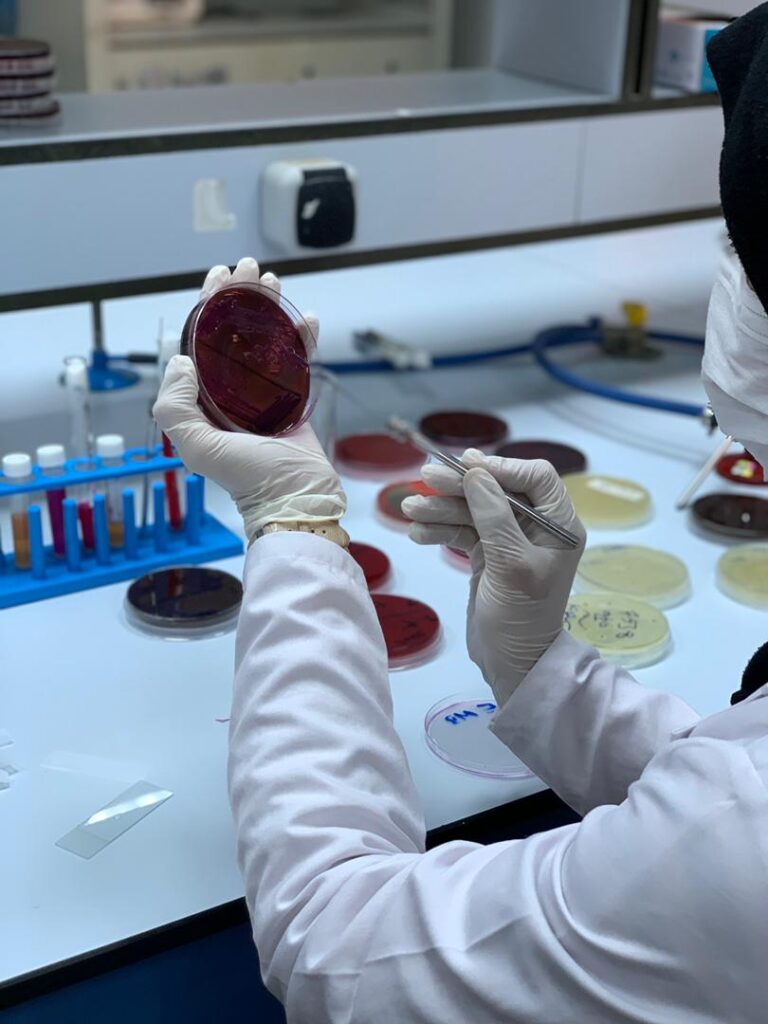
Microbiology & Culture Equipment
Incubators, biological safety cabinets, Gram stain kits, and culture media for identifying pathogenic microorganisms.
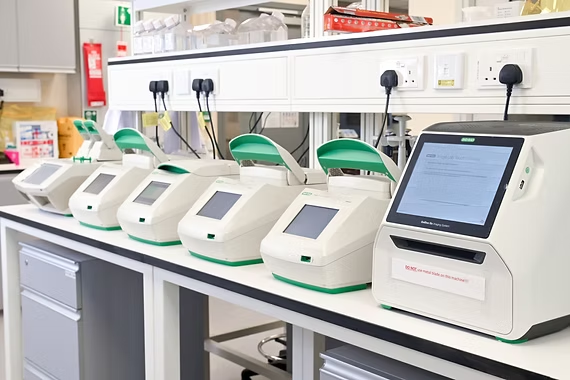
Molecular & Genetic Testing Tools
PCR machines, gel electrophoresis, DNA sequencers, and molecular diagnostic platforms for genetic testing and research.
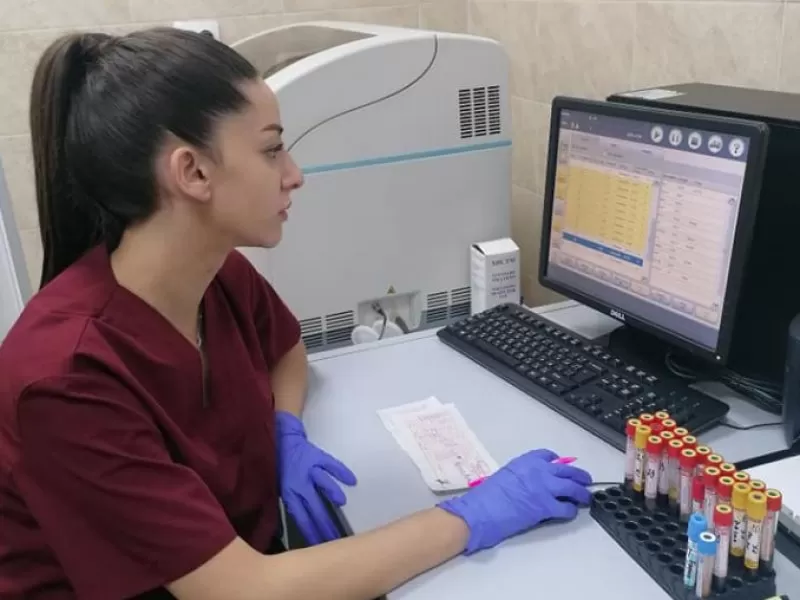
Quality Assurance & Lab Management
Laboratory information systems (LIS), quality control protocols, and lab management software for accurate record-keeping and compliance.
Advanced Lab Technologies & Equipment
State-of-the-art instrumentation for cutting-edge diagnostics
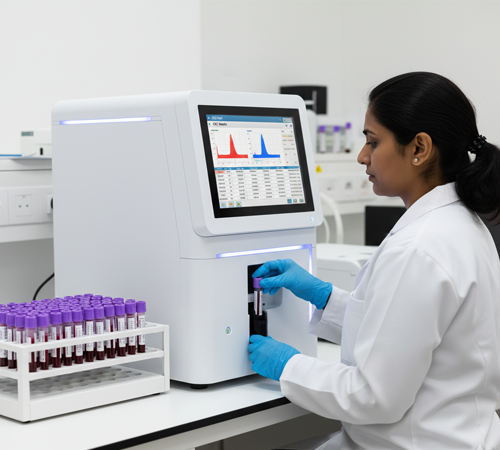
Hematology Analyzers
Advanced automated analyzers for complete blood counts, differential analysis, and platelet function testing.
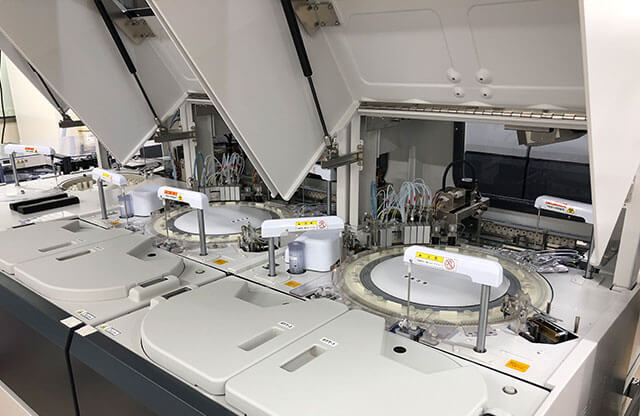
Chemistry & Immunochemistry Systems
Multi-channel analyzers for comprehensive chemistry panels, therapeutic drug monitoring, and endocrine testing.
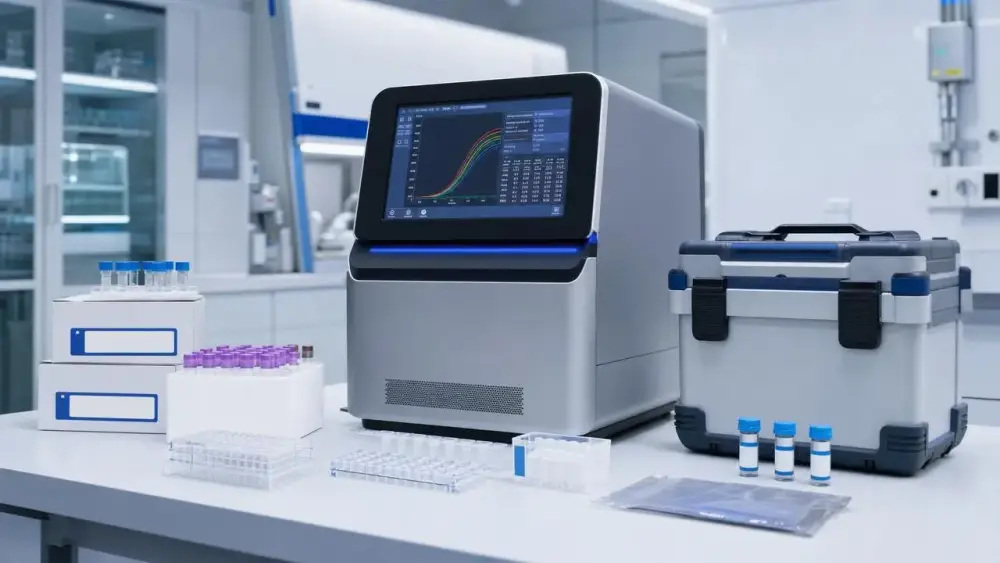
Molecular & Genomic Platforms
Real-time PCR, next-generation sequencing (NGS), and digital PCR for genetic analysis, mutation detection, and infectious disease testing.
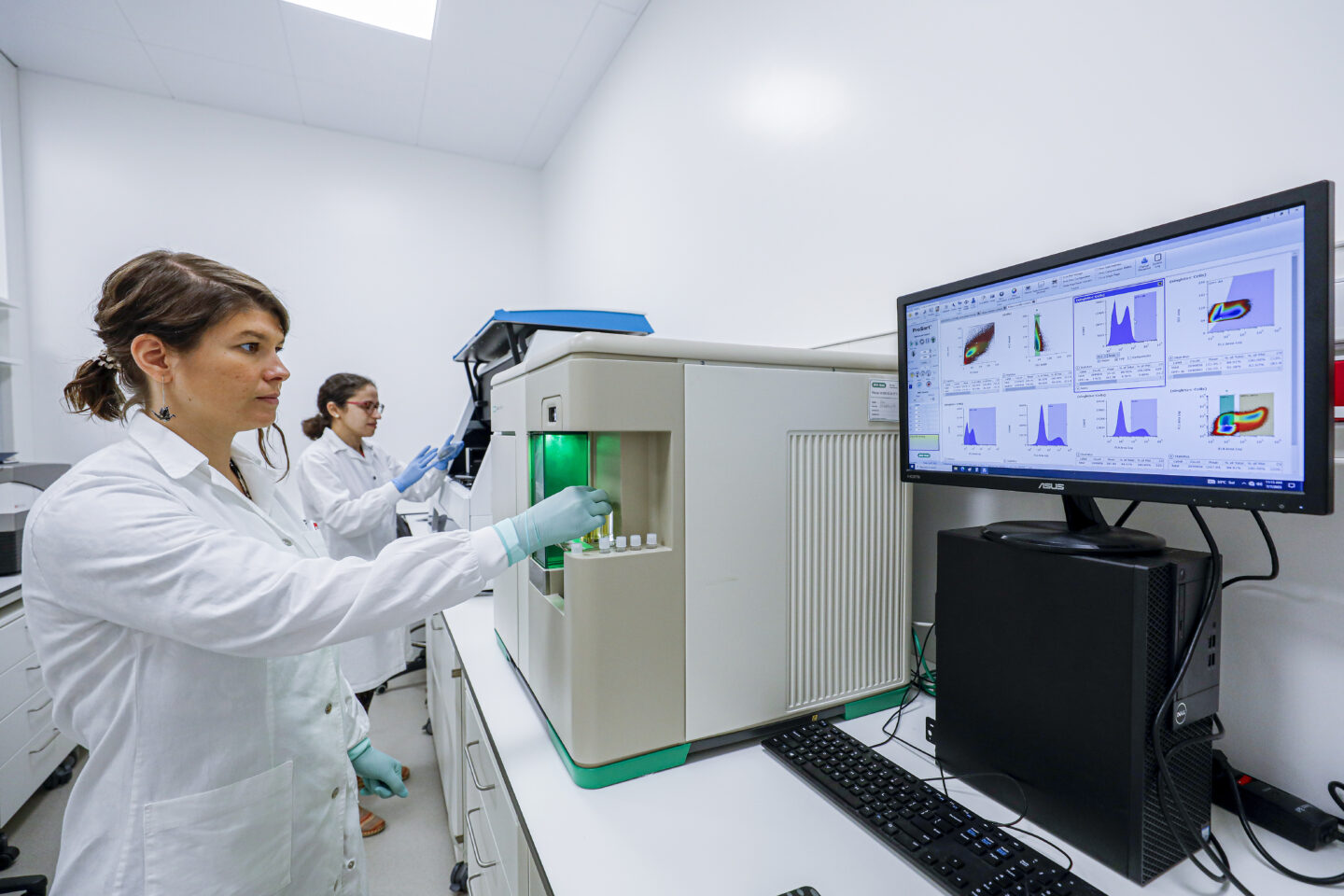
Flow Cytometry & Cell Sorting
Flow cytometers for immunophenotyping, cell cycle analysis, and rare cell population detection in research and diagnostic applications.
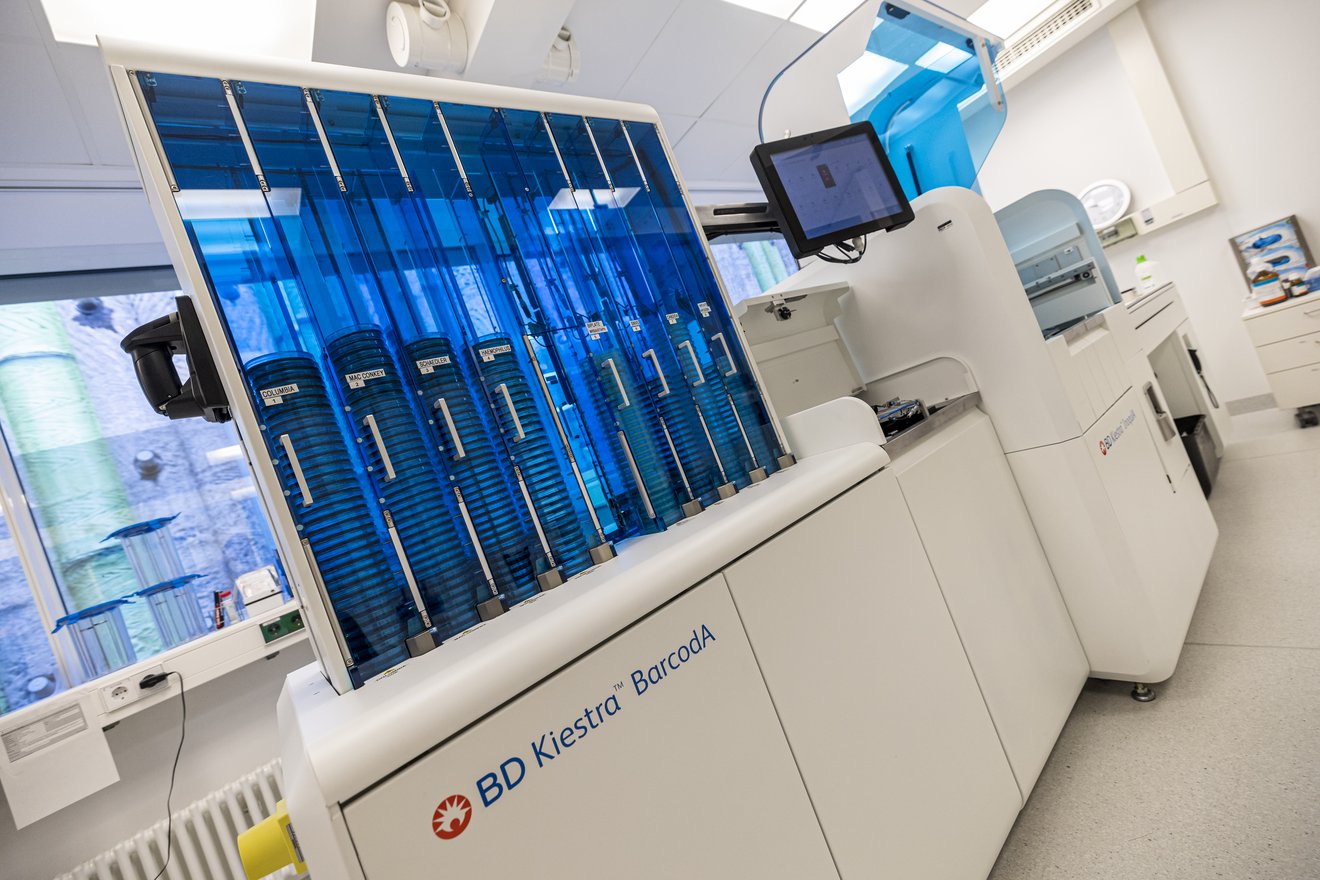
Automated Microbiology Systems
Automated culture systems, antimicrobial susceptibility testing, and MALDI-TOF mass spectrometry for rapid pathogen identification.
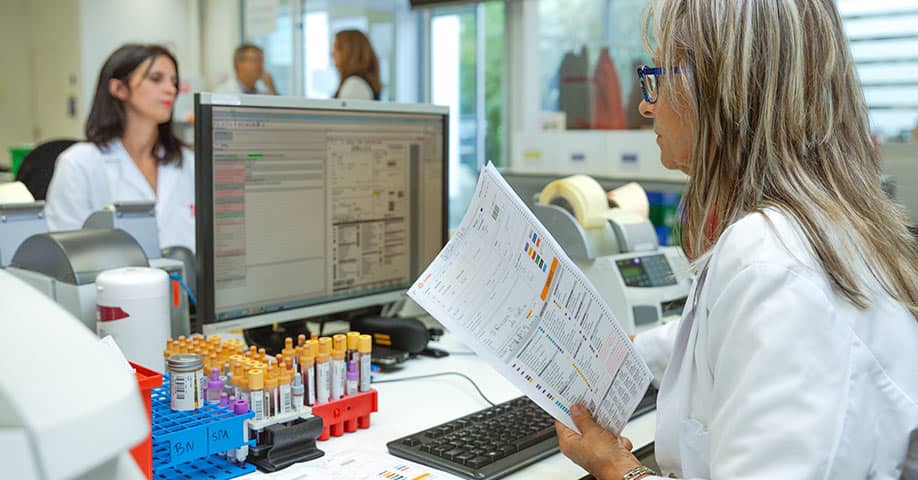
Laboratory Information Systems
Integrated LIS solutions for sample tracking, results reporting, quality control, and data management for regulatory compliance.
Skills Competency Checklist
The practical skills you will master in this program
Microscopy & Cell Identification
Identify normal and abnormal cells, microorganisms, and tissue samples using advanced microscopy techniques.
Clinical Chemistry Testing
Perform and interpret clinical chemistry tests including blood glucose, liver function, renal function, and lipid profiles.
Hematology & Blood Cell Analysis
Analyze blood cell morphology, perform complete blood counts, and diagnose hematological disorders.
Microbiology & Pathogen Identification
Culture, isolate, and identify pathogenic bacteria, fungi, and viruses using microbiological techniques and biochemical testing.
Molecular Diagnostics
Perform PCR, DNA extraction, and genetic testing for disease diagnosis, genetic screening, and research applications.
Quality Control & Laboratory Safety
Implement quality control procedures, ensure laboratory safety, and maintain accurate records for regulatory compliance.
Results Interpretation & Communication
Interpret laboratory results, recognize abnormal findings, and communicate effectively with healthcare providers.
Specializations & Tracks
Focus your studies in the area that interests you most
Clinical Chemistry
Specialize in analyzing blood and body fluids for chemical components, including enzymes, hormones, and metabolites.
Hematology & Coagulation
Focus on blood disorders, including anemia, leukemia, and clotting disorders, through cell analysis and coagulation testing.
Medical Microbiology
Specialize in identifying pathogenic microorganisms, conducting antimicrobial susceptibility testing, and infection control.
Molecular Diagnostics
Focus on genetic testing, PCR, DNA sequencing, and molecular techniques for disease diagnosis and personalized medicine.
Immunology & Serology
Specialize in immune system disorders, autoimmune diseases, and infectious disease serology testing.
Curriculum Highlights
What you’ll learn in this program
Clinical Chemistry
Study the chemical analysis of body fluids, including blood glucose, liver enzymes, kidney function, and electrolyte balance.
Hematology
Examine blood cells and blood-forming tissues, diagnose blood disorders, and perform coagulation studies.
Medical Microbiology
Learn to identify pathogenic microorganisms, conduct cultures, and perform antimicrobial susceptibility testing.
Immunology & Serology
Understand the immune system, autoimmune diseases, and perform serological tests for infectious diseases.
Molecular Diagnostics
Master molecular techniques including PCR, DNA extraction, and genetic testing for disease diagnosis and research.
Laboratory Management & Quality Assurance
Learn laboratory operations, quality control, regulatory compliance, and ethical practices in medical laboratory science.
Industry Certifications
Earn credentials that enhance your employability
Medical Laboratory Scientist (MLS) Certification
National certification for medical laboratory scientists, validating your skills and knowledge in clinical laboratory science.
Clinical Chemistry Specialist
Advanced certification in clinical chemistry, covering biochemical analysis, quality control, and laboratory management.
Microbiology Specialist
Specialized certification in medical microbiology, validating expertise in pathogen identification and infection control.
Molecular Diagnostics Specialist
Certification in molecular diagnostics, covering PCR, DNA sequencing, and genetic testing techniques.
Quality Assurance in Laboratory Science
Certification in laboratory quality assurance, demonstrating expertise in quality control, regulatory compliance, and lab safety.
Career Opportunities
Where this program can take you
Medical Laboratory Scientist
Perform laboratory tests, analyze results, and provide critical information for disease diagnosis and treatment planning.
Clinical Chemistry Specialist
Analyze blood and body fluids for chemical components, ensuring accurate results for patient care decisions.
Microbiology Laboratory Specialist
Identify pathogenic microorganisms, conduct antimicrobial testing, and support infection control programs.
Molecular Diagnostics Technologist
Perform genetic testing, PCR, and molecular analysis for disease diagnosis, research, and personalized medicine.
Laboratory Manager
Oversee laboratory operations, manage staff, ensure quality control, and maintain regulatory compliance in clinical settings.
Quality Assurance Specialist
Implement quality control programs, ensure regulatory compliance, and maintain laboratory accreditation standards.
Laboratory Facilities & Training
Hands-on training in state-of-the-art laboratory environments
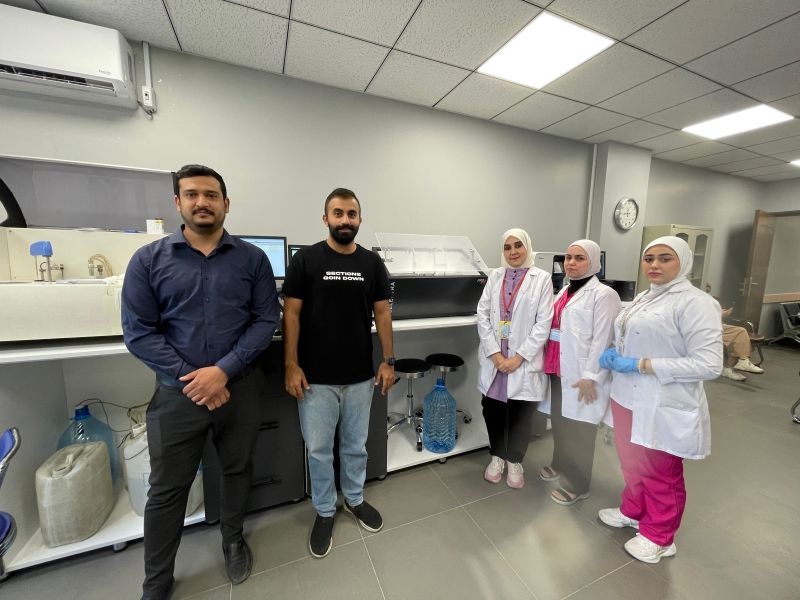
Clinical Chemistry Lab
Fully equipped lab with automated analyzers for biochemistry, endocrinology, and toxicology testing.
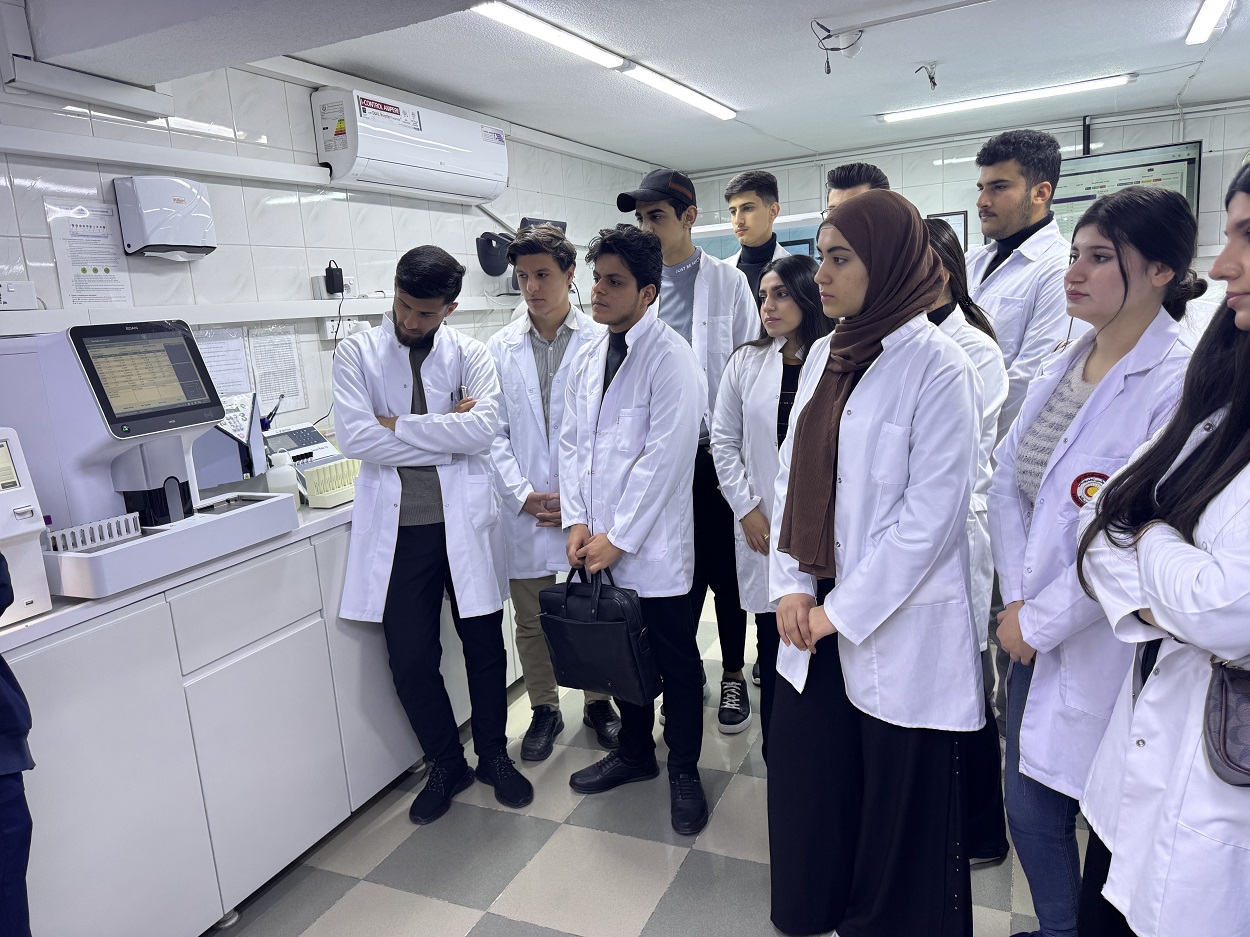
Hematology & Coagulation Lab
Dedicated lab for blood cell analysis, coagulation studies, and diagnosis of hematological disorders.
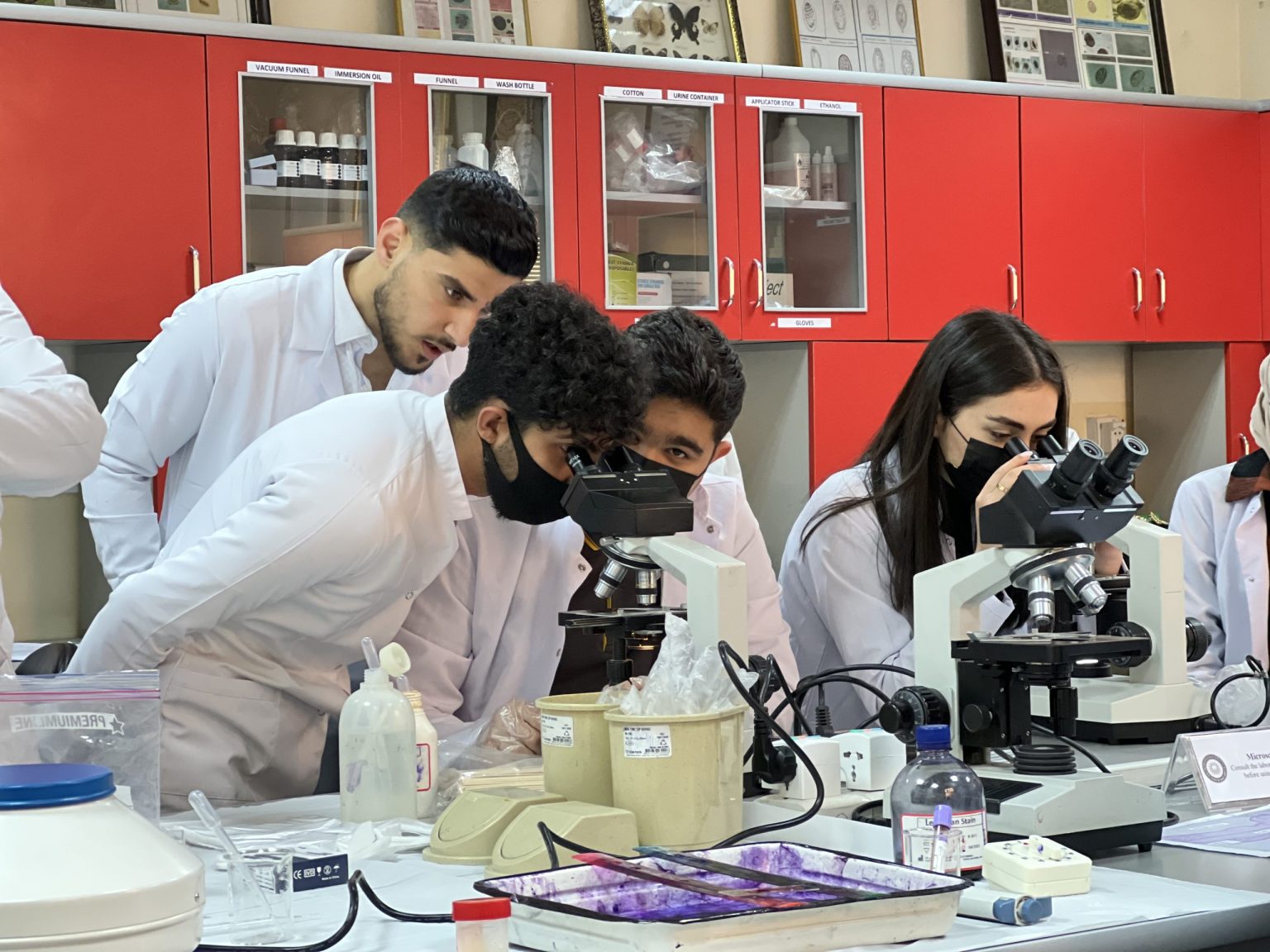
Microbiology & Immunology Lab
BSL-2 facility with incubators, biosafety cabinets, and culture equipment for pathogen identification and research.
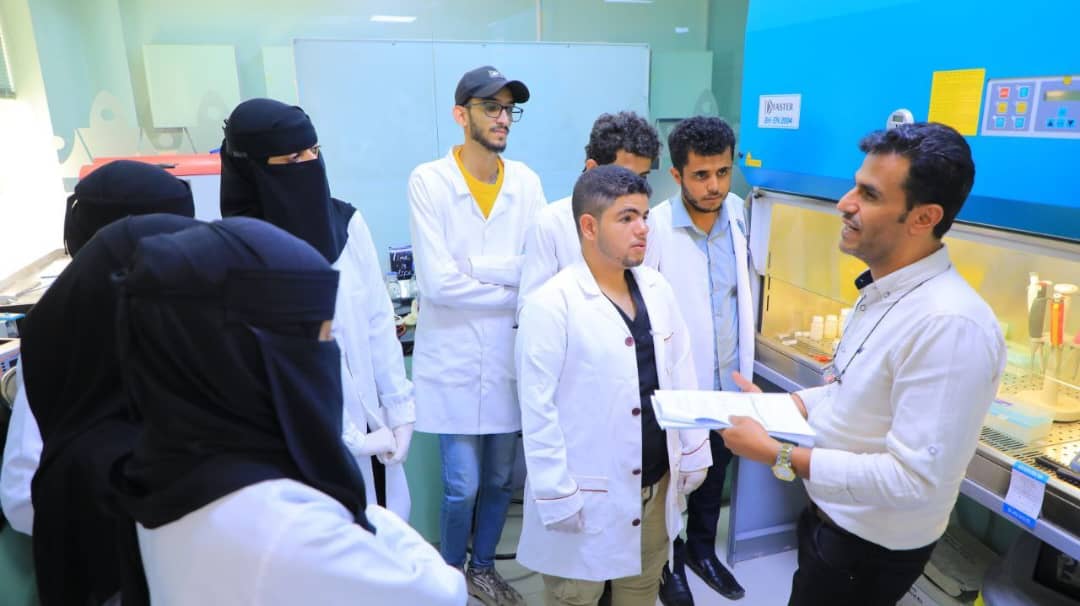
Molecular Diagnostics Lab
Advanced molecular lab with PCR machines, DNA sequencers, and genetic testing equipment for cutting-edge research.
Why Choose This Program?
- Hands-on training in state-of-the-art laboratory facilities with industry-standard equipment
- Experienced faculty with extensive clinical laboratory and research experience
- Preparation for MLS and other medical laboratory certifications
- Clinical rotations at leading hospitals, clinics, and diagnostic laboratories
- Strong emphasis on quality assurance, laboratory safety, and ethical practice
- High demand for medical laboratory professionals with competitive salaries and career advancement opportunities
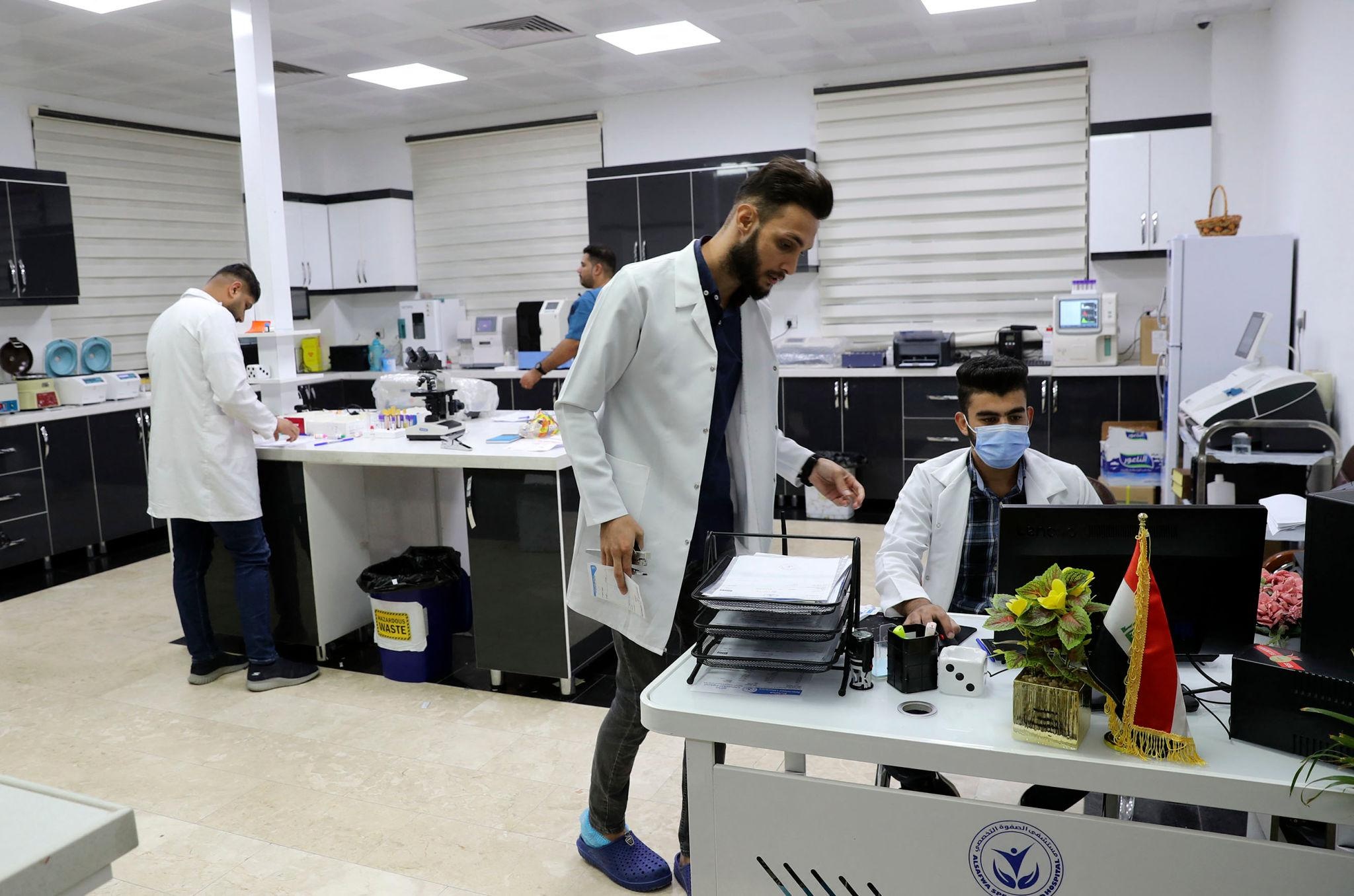
Internship & Clinical Placement Opportunities
Gain real-world experience while you learn
Hospitals & Medical Centers
Clinical placements in hospital laboratories, working alongside pathologists, laboratory scientists, and healthcare teams.
Diagnostic Laboratories
Gain experience in independent diagnostic laboratories, performing routine and specialized diagnostic testing.
Research & Pharmaceutical Laboratories
Participate in research projects and pharmaceutical testing, applying laboratory skills to scientific discovery.
Public Health & Reference Laboratories
Work in public health laboratories supporting disease surveillance, epidemiology, and community health programs.
Clinical Rotation Sites & Partner Institutions
Where you’ll gain hands-on clinical experience
Teaching Hospitals
Clinical rotations at leading teaching hospitals with comprehensive laboratory departments, offering exposure to diverse patient populations and complex cases.
Private Diagnostic Laboratories
Gain experience in private labs specializing in clinical chemistry, microbiology, histopathology, and specialized diagnostic testing.
Research & University Labs
Research-focused rotations in university laboratories, contributing to cutting-edge studies in molecular diagnostics and laboratory science.
Public Health & Government Laboratories
Work with public health agencies and government laboratories on disease surveillance, outbreak investigation, and population health initiatives.
Pharmaceutical & Biotechnology Companies
Clinical placements in pharmaceutical and biotech laboratories focusing on drug development, clinical trials, and quality control testing.
Community Laboratory Outreach
Making a difference beyond the classroom
Community Health Screenings
Students participate in community health fairs, offering free laboratory screenings including blood glucose, cholesterol, and blood pressure testing.
Health Education & Awareness
Develop and deliver health education materials on topics like diabetes, cholesterol, and preventive health screenings.
Infection Control Education
Promote infection prevention awareness in communities, sharing knowledge about hygiene, vaccination, and disease prevention.
Volunteer Laboratory Support
Support local health initiatives and organizations with laboratory services, education, and health promotion efforts.
Program FAQs
Common questions about the Medical Laboratory Technology program
No prior laboratory experience is required. The program provides comprehensive training for beginners, including foundational science and hands-on laboratory practice.
You will be prepared to earn Medical Laboratory Scientist (MLS) certification and other specialized credentials in clinical chemistry, microbiology, and molecular diagnostics.
Currently, this program is offered on-campus to ensure access to laboratory facilities, equipment, and hands-on training. Some theoretical courses may be available online.
We provide clinical placement assistance, career counseling, job placement support, and networking opportunities with laboratory employers and healthcare organizations.
Yes, transfer credits are evaluated on a case-by-case basis. Please contact the admissions office with your transcripts for a preliminary assessment.
Ready to Make a Difference in Laboratory Science?
Join the Medical Laboratory Technology program and become a vital part of the healthcare team.