
Program Overview
The Public Health program at Azady University prepares students to become leaders in protecting and improving the health of communities and populations. From epidemiology and biostatistics to health policy and environmental health, our program covers the full spectrum of public health practice.
Students gain expertise in disease prevention, health promotion, data analysis, program planning, and policy development. Graduates emerge as professionals ready to address complex public health challenges and make a lasting impact on population health.
Admission Requirements
What you need to join this program
Academic Qualification
High school diploma or equivalent with a background in biology, chemistry, and social sciences. Minimum GPA of 70%.
Prerequisite Subjects
Proficiency in mathematics and basic sciences. An interest in community health, social issues, and data analysis is recommended.
Application Documents
Submit official transcripts, two recommendation letters, a personal statement, and a copy of your ID.
Language Proficiency
English proficiency is required. TOEFL (iBT 70) or IELTS (5.5) scores accepted, or successful completion of our foundation program.
Public Health Tools & Technologies
Master the tools used in public health practice
Epidemiological Software
EPI Info, SPSS, SAS, and R for analyzing health data, tracking disease outbreaks, and conducting epidemiological research.
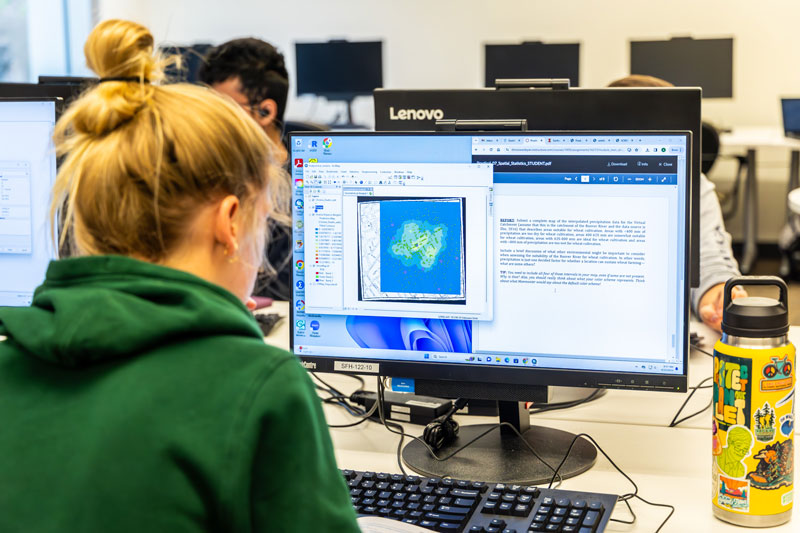
Health Mapping & GIS
Geographic Information Systems (GIS) for mapping disease distribution, environmental health risks, and healthcare access.
Health Assessment Tools
Community health needs assessments, surveys, screening tools, and health impact assessment frameworks.
Data Visualization
Tableau, Power BI, and other visualization tools for presenting health data to stakeholders and policymakers.
Skills Competency Checklist
The practical skills you will master in this program
Epidemiological Investigation
Design and conduct epidemiological studies to identify disease patterns, risk factors, and determinants of population health.
Health Data Analysis
Analyze health data using statistical methods, identify trends, and translate findings into actionable public health recommendations.
Program Planning & Evaluation
Design, implement, and evaluate public health programs and interventions to address community health needs and measure impact.
Health Communication
Develop effective health messages, health education materials, and communication strategies for diverse audiences and cultures.
Health Policy Analysis
Analyze and develop health policies, advocate for evidence-based policies, and understand the impact of legislation on population health.
Community Engagement
Engage communities in health initiatives, build partnerships, and mobilize resources for public health action.
Disease Surveillance
Monitor and track disease outbreaks, implement surveillance systems, and respond to public health emergencies.
Environmental Health Assessment
Assess environmental factors affecting health, including air and water quality, food safety, and occupational health risks.
Specializations & Tracks
Focus your studies in the area that interests you most
Epidemiology & Biostatistics
Focus on disease patterns, outbreak investigation, and advanced statistical methods for population health research.
Health Policy & Management
Specialize in health policy development, healthcare administration, and leadership in public health organizations.
Community Health
Focus on community health needs assessment, health promotion, and developing culturally-appropriate interventions for diverse populations.
Environmental Health
Specialize in understanding and mitigating environmental risks to human health, including climate change, pollution, and occupational health.
Global Health
Focus on global health challenges, cross-border health threats, and international health interventions for underserved populations.
Curriculum Highlights
What you’ll learn in this program
Introduction to Public Health
Learn the foundations of public health, including history, core functions, and key concepts in population health.
Epidemiology
Study the distribution and determinants of disease, outbreak investigation, and epidemiological study designs.
Biostatistics
Master statistical methods for public health research, data analysis, and interpreting health data for decision-making.
Health Policy & Management
Explore health policy development, healthcare systems, and management strategies for public health organizations.
Environmental Health
Understand how environmental factors affect human health and develop strategies for risk prevention and mitigation.
Community Health Practice
Apply public health principles to community settings through needs assessments, health promotion, and program evaluation.
Industry Certifications
Earn credentials that enhance your employability
Certified Health Education Specialist (CHES)
National certification for health educators, validating your ability to plan, implement, and evaluate health education programs.
Epidemiology & Biostatistics Certification
Specialized credential demonstrating proficiency in epidemiological methods and statistical analysis for public health.
Environmental Health Practitioner
Certification for environmental health professionals, covering risk assessment, policy, and environmental regulations.
Public Health Policy Analyst
Credential for policy professionals, validating skills in policy analysis, advocacy, and health law.
Global Health Certificate
Specialized certification for global health professionals, covering international health systems, cross-border issues, and humanitarian health.
Career Opportunities
Where this program can take you
Epidemiologist
Investigate disease outbreaks, conduct research, and analyze health data to inform public health interventions and policies.
Public Health Analyst
Analyze health data, evaluate programs, and provide evidence-based recommendations for public health decision-making.
Health Education Specialist
Design and deliver health education programs, develop health materials, and promote healthy behaviors in communities.
Health Policy Advisor
Develop and analyze health policies, advocate for evidence-based legislation, and guide public health decision-making.
Environmental Health Officer
Assess environmental health risks, enforce regulations, and promote practices to protect communities from environmental hazards.
Global Health Coordinator
Manage global health programs, coordinate international health initiatives, and respond to humanitarian health crises.
Public Health Practice & Simulation Labs
Hands-on training in realistic public health environments
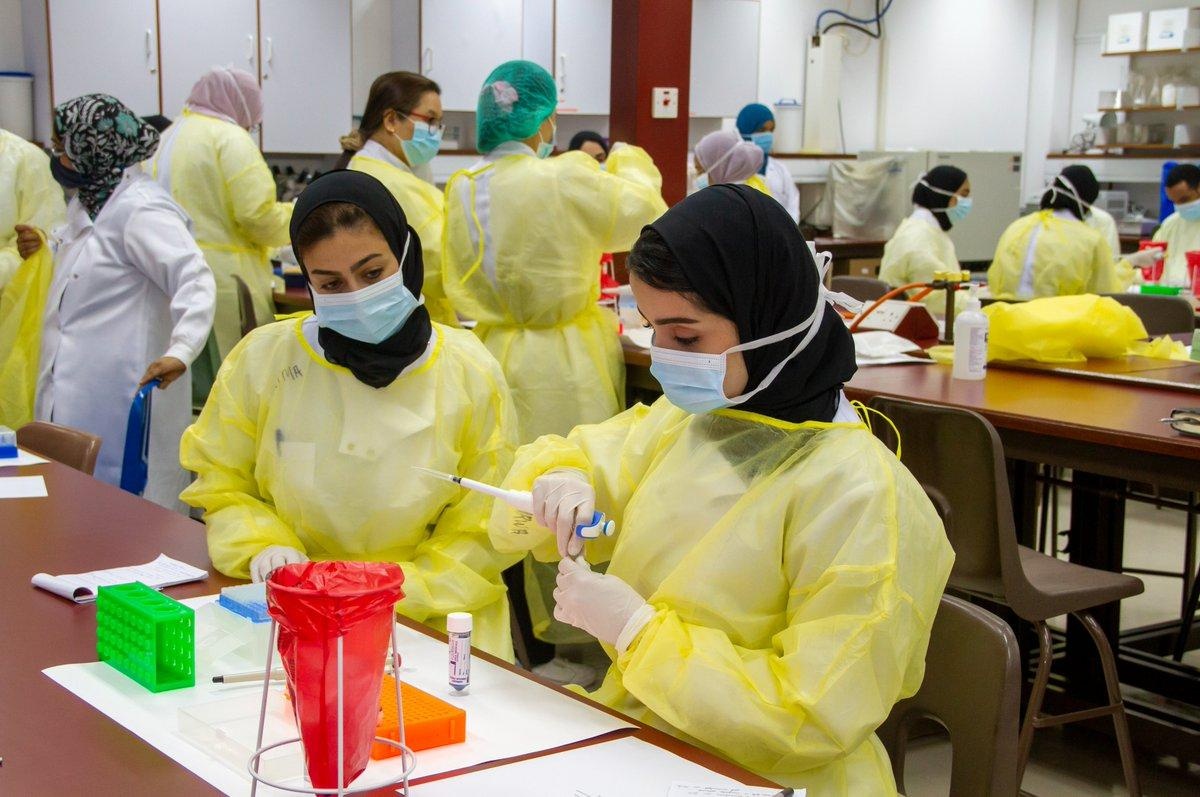
Public Health Simulation Lab
State-of-the-art simulation lab for practicing disease outbreak investigations, health program planning, and emergency response scenarios.

Health Data Analysis Lab
Dedicated lab with statistical software and tools for analyzing health data, conducting research, and building data-driven public health strategies.
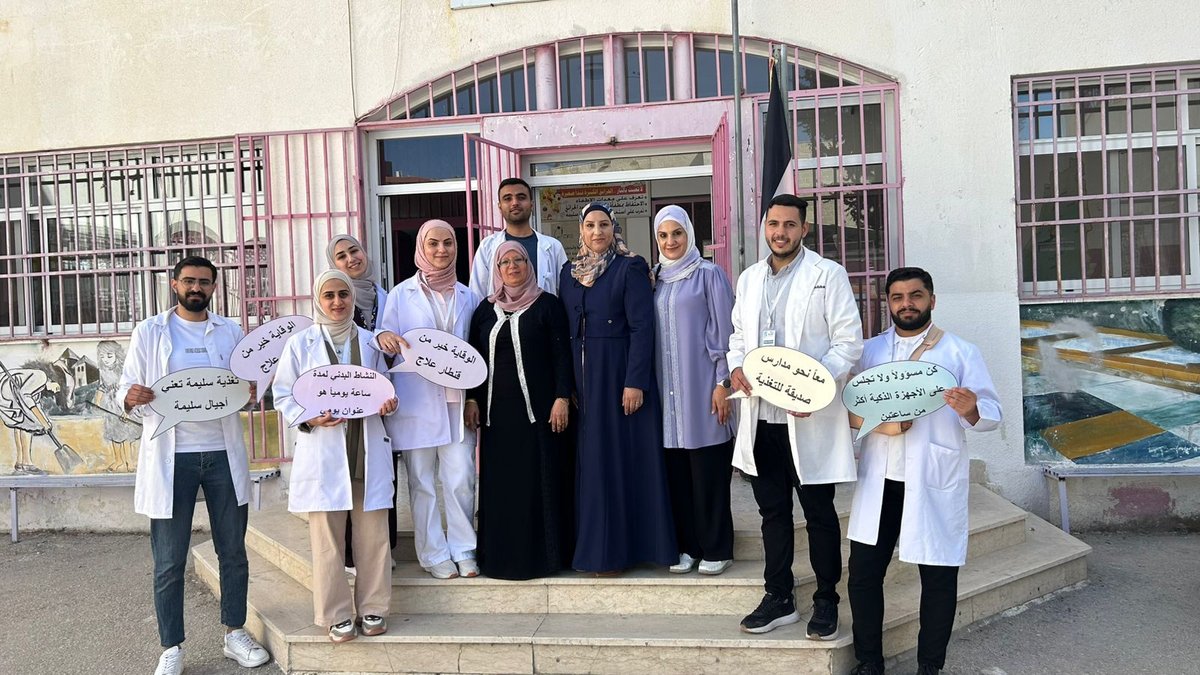
Community Health Practice Space
Facility for designing community health interventions, developing health education materials, and practicing community engagement skills.
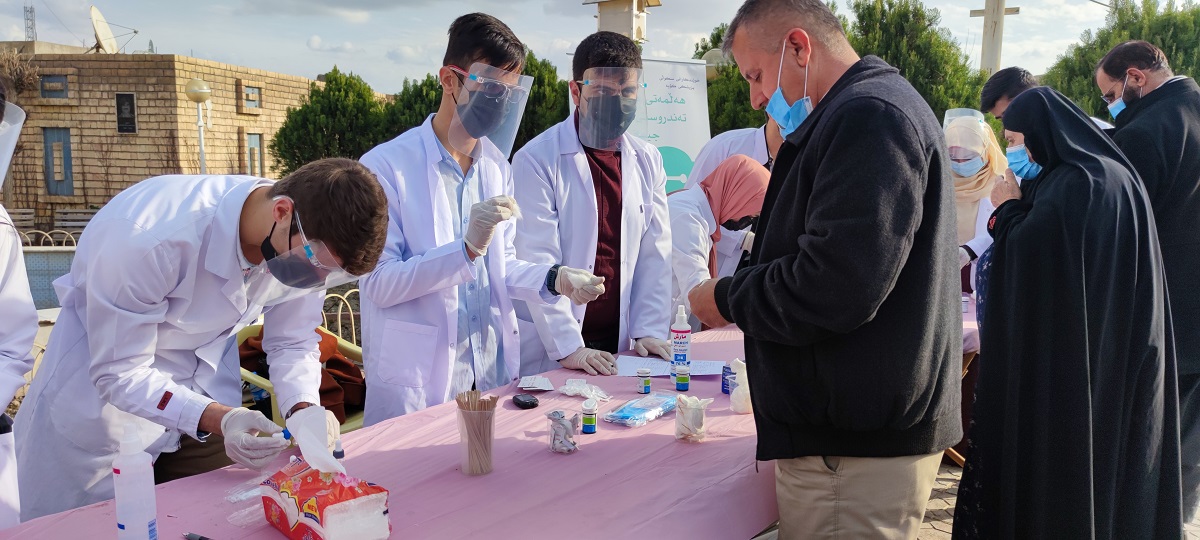
Field Practice Placements
Supervised field practice in community health organizations, government health departments, and NGOs providing real-world experience.
Public Health Policy & Advocacy
Shape the policies that protect and improve population health
Policy Development & Analysis
Learn to develop, analyze, and evaluate health policies that address complex public health challenges, including legislation, regulations, and organizational policies.
Health Advocacy & Community Organizing
Develop skills to advocate for evidence-based policies, mobilize communities, and build coalitions to promote health equity and social justice.
Policy Research & Evaluation
Conduct research to inform policy decisions, evaluate the impact of policies on population health, and translate evidence into actionable recommendations.
Government & Legislative Engagement
Gain practical experience working with government agencies, legislative bodies, and advocacy organizations to influence public health policy at local, national, and international levels.
Health Communication for Policy
Learn to communicate health policy issues effectively to policymakers, the public, and media through strategic messaging, testimony, and public engagement.
Why Choose This Program?
- Hands-on training in public health simulation labs and community settings
- Experienced faculty with extensive public health practice and research experience
- Preparation for CHES and other public health credentials
- Field placements at leading health organizations, NGOs, and government agencies
- Strong emphasis on data analysis, policy development, and community engagement
- High demand for public health professionals with competitive salaries and career advancement opportunities
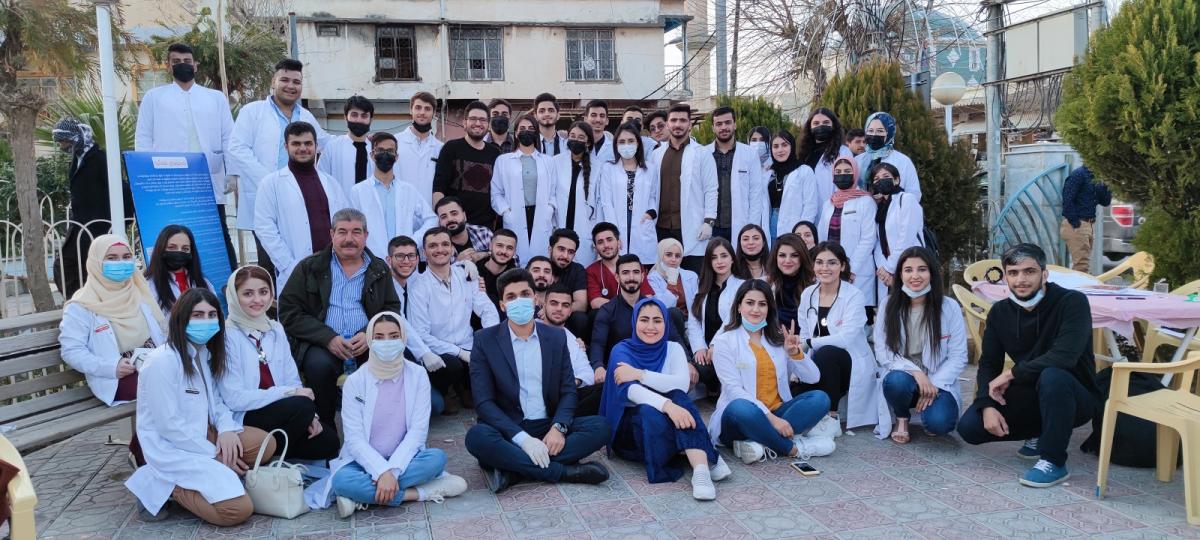
Internship & Field Placement Opportunities
Gain real-world experience while you learn
Government Health Departments
Gain experience in public health agencies, working on policy development, disease surveillance, and health promotion programs.
Hospitals & Healthcare Systems
Work in public health departments within hospitals, focusing on community outreach, disease prevention, and population health.
NGOs & International Organizations
Participate in global health initiatives with NGOs and international organizations addressing health disparities and humanitarian crises.
Community Health Organizations
Work with community-based organizations on health education, outreach programs, and community health interventions.
Community Health Outreach
Making a difference beyond the classroom
Health Screening & Education Events
Students organize and participate in community health fairs, offering free screenings, health education, and resources to underserved populations.
Vaccination & Disease Prevention Campaigns
Support immunization drives, disease prevention campaigns, and public health awareness initiatives in local communities.
Health Literacy & Wellness Workshops
Develop and deliver workshops on nutrition, chronic disease management, mental health, and healthy lifestyle choices for diverse audiences.
Community Needs Assessment & Advocacy
Engage with communities to assess health needs, advocate for policy change, and mobilize resources for health equity and social justice.
Current Health Issues & Case Studies
Connect your learning to real-world health challenges
Infectious Disease Outbreaks
Examine real-world outbreak investigations, including COVID-19, Ebola, and Zika, to understand disease transmission, surveillance, and emergency response strategies.
Chronic Disease Prevention
Explore case studies on diabetes, cardiovascular disease, cancer, and other chronic conditions, focusing on prevention, management, and health promotion.
Environmental Health Crises
Analyze case studies on air and water pollution, climate change impacts, and occupational health hazards to develop risk mitigation and policy solutions.
Health Equity & Social Determinants
Examine case studies on health disparities, social determinants of health, and interventions to address systemic inequalities in access to care.
Global Health Challenges
Study cross-border health issues, including refugee health, nutrition crises, infectious disease spread, and humanitarian health interventions.
Public Health Policy Case Studies
Analyze real-world policy decisions, including tobacco control, vaccination mandates, and healthcare reform, to understand the intersection of evidence and politics.
Program FAQs
Common questions about the Public Health program
No prior healthcare background is required. The program provides comprehensive training in public health concepts, research methods, and community practice.
Graduates can pursue careers as epidemiologists, health educators, public health analysts, policy advisors, environmental health officers, and global health coordinators.
Currently, this program is offered on-campus to ensure access to simulation labs, field practice, and community engagement. Some theoretical courses may be available online.
We provide field placement assistance, career counseling, job placement support, and networking opportunities with public health employers and organizations.
Yes, transfer credits are evaluated on a case-by-case basis. Please contact the admissions office with your transcripts for a preliminary assessment.
Ready to Protect and Improve Community Health?
Join the Public Health program and become a leader in creating healthier communities.